In many areas, fossil fuel energy is much cheaper than electrical energy, so much so that even with heat pumps operating at 300+% efficiency, it was still cheaper to burn fuel than to use a heat pump.
When piped residential gas cost $0.01/cubic foot, and each cubic foot contains 0.3 kWh of energy, that energy price was comparable to 3.3 cents per kWh. So even compared with a electric heat pump that was 300% efficient, that gas would still be cheaper than electricity that cost $0.10/kWh.
Now that gas is more expensive (national average approaching $0.02 per cubic foot), and heat pumps tend to be more efficient, some up to 500%, the simple math starts to favor electric heat pumps, where a 500% efficient heat pump running at even $0.30/kWh is still cheaper than a gas furnace. Basically, the breakeven point has tripled in just over a decade.
Also, as heat pump technology has improved, they are capable of operating efficiently at lower temperatures than before, so that the real world performance more closely matches the simple calculations in those cold climates. Plus because they work better now, the customers are less likely to notice a performance difference in heating.
In the northern locations they got a really bad name early on because the early models didn’t do jack in colder climates, so it didn’t make sense to have the pump and an additional heat source ontop of it so many just went to having a lone heat source like a furnace.
Since then they have steadily improved in tech and if you get the right type are good for locations that don’t go under -23C (-10 F) but, they still have a bad name due to the experiences with the early tech.
Mine is air to water, so all you really need is someone who can plonk it there and then plumbers to do their stuff.
Vast majority of the work for mine was replacing the entire central heating system, but that would have been a good idea even if I wanted a gas boiler because of how old and shit it was.
Now my cat can sleep on top of the large double radiators around the house. Tbh that has to be one of the best features of it, flow temperatures low enough that a cat can comfortably sleep on it.
Ohhh I heard some of those! Got told that the heat pump alone would cost more than twice as much as I actually paid for a heat pump, all new radiators and replacing all the old pipework.
They’ve been the standard around here for my entire lifetime. I’m in my first house that doesn’t have one and when the air conditioner goes I’m replacing it with a heat pump.
Well yes; at least where I’m from (the American southeast) an “air conditioner” will run only in one direction for cooling a space, a “heat pump” is the same technology with the addition of a reversing valve that can heat or cool the space. The HVAC technician I have on contract will understand exactly what I mean by “I want to replace my air conditioner with a heat pump.” with no further elaboration.
It is relatively new, installed in 2006 or so, alongside a condensing natural gas furnace. The furnace provides heat, the AC provides cool. It’s working okay for now, when it’s time to replace it I’ll replace it with a heat pump system and retain the furnace for emergency and defrost.
Unless it gets very cold, probably no need to keep it. Had mine removed and I live in the UK. Not sure if there is anywhere that needs AC in summer and gets too cold for a heat pump in winter.
Emergency heat is a legal requirement. A heat pump system without a source of emergency heat does not meet the North Carolina residential building code. That law was written back when AC was newfangled and untrusted, and Raleigh (and many other state capitols) didn’t want families freezing to death because a compressor motor failed.
American central HVAC systems are modular by nature, a heat pump system is designed to rely on the emergency heat system for defrost heat. Auto-defrost is accomplished by overriding the thermostat and commanding Emergency Heat ON, reversing valve to AC, compressor ON, fan ON. The ensuing sparring match between the heater and air conditioner pretty effectively defrosts the outdoor unit. And in the United States at least, by far the world’s largest producer of natural gas, it’s considerably less expensive to do that under methane power than electricity.
Defrost is a critical feature in my climate; winter hovers around freezing, often climbing to 1 or 2C during the day and dipping to -3 or -4C at night, and the relative humidity is ALWAYS high. Perfect icing conditions for a heat pump.
Surely a heat pump can fail just as easily as a boiler? Log burner or even a biofuel fire kinda thing would be far more suitable as an actual emergency backup.


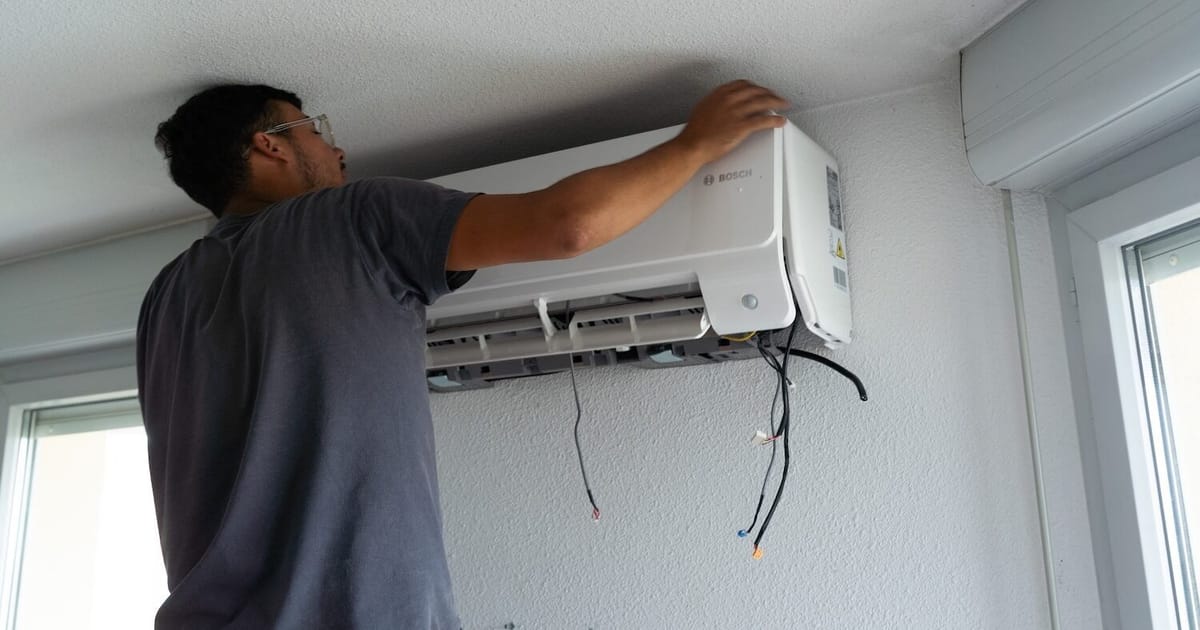
About fucking time. I’ve never understood why they weren’t used to begin with.
In many areas, fossil fuel energy is much cheaper than electrical energy, so much so that even with heat pumps operating at 300+% efficiency, it was still cheaper to burn fuel than to use a heat pump.
When piped residential gas cost $0.01/cubic foot, and each cubic foot contains 0.3 kWh of energy, that energy price was comparable to 3.3 cents per kWh. So even compared with a electric heat pump that was 300% efficient, that gas would still be cheaper than electricity that cost $0.10/kWh.
Now that gas is more expensive (national average approaching $0.02 per cubic foot), and heat pumps tend to be more efficient, some up to 500%, the simple math starts to favor electric heat pumps, where a 500% efficient heat pump running at even $0.30/kWh is still cheaper than a gas furnace. Basically, the breakeven point has tripled in just over a decade.
Also, as heat pump technology has improved, they are capable of operating efficiently at lower temperatures than before, so that the real world performance more closely matches the simple calculations in those cold climates. Plus because they work better now, the customers are less likely to notice a performance difference in heating.
In the northern locations they got a really bad name early on because the early models didn’t do jack in colder climates, so it didn’t make sense to have the pump and an additional heat source ontop of it so many just went to having a lone heat source like a furnace.
Since then they have steadily improved in tech and if you get the right type are good for locations that don’t go under -23C (-10 F) but, they still have a bad name due to the experiences with the early tech.
Northern places like Scandinavia?
they used to be expensive.
And so installers were harder to come by, which means fewer people were told about it. Pretty easy to understand why it took a while to catch on.
Mine is air to water, so all you really need is someone who can plonk it there and then plumbers to do their stuff.
Vast majority of the work for mine was replacing the entire central heating system, but that would have been a good idea even if I wanted a gas boiler because of how old and shit it was.
Now my cat can sleep on top of the large double radiators around the house. Tbh that has to be one of the best features of it, flow temperatures low enough that a cat can comfortably sleep on it.
When i was trying to get a heat pump, i had to listen to a family friend hvac guy yell at me for 10 minutes cus he hates those damn things.
Ohhh I heard some of those! Got told that the heat pump alone would cost more than twice as much as I actually paid for a heat pump, all new radiators and replacing all the old pipework.
These cheap mini splits can be installed diy.
You vastly overestimate the capabilities of the average modern human being
That’s incredibly short-sighted since they still paid for themselves.
Not for apartment dwellers.
Cool beans. Try being poor.
Or inline water heaters. Seriously the whole world uses them.
They’ve been the standard around here for my entire lifetime. I’m in my first house that doesn’t have one and when the air conditioner goes I’m replacing it with a heat pump.
Air conditioner is a heat pump.
Well yes; at least where I’m from (the American southeast) an “air conditioner” will run only in one direction for cooling a space, a “heat pump” is the same technology with the addition of a reversing valve that can heat or cool the space. The HVAC technician I have on contract will understand exactly what I mean by “I want to replace my air conditioner with a heat pump.” with no further elaboration.
Not all are reversible, and given they said when it goes I would assume it is an older one that can’t do heating.
It is relatively new, installed in 2006 or so, alongside a condensing natural gas furnace. The furnace provides heat, the AC provides cool. It’s working okay for now, when it’s time to replace it I’ll replace it with a heat pump system and retain the furnace for emergency and defrost.
Unless it gets very cold, probably no need to keep it. Had mine removed and I live in the UK. Not sure if there is anywhere that needs AC in summer and gets too cold for a heat pump in winter.
Not an option. Two reasons:
Emergency heat is a legal requirement. A heat pump system without a source of emergency heat does not meet the North Carolina residential building code. That law was written back when AC was newfangled and untrusted, and Raleigh (and many other state capitols) didn’t want families freezing to death because a compressor motor failed.
American central HVAC systems are modular by nature, a heat pump system is designed to rely on the emergency heat system for defrost heat. Auto-defrost is accomplished by overriding the thermostat and commanding Emergency Heat ON, reversing valve to AC, compressor ON, fan ON. The ensuing sparring match between the heater and air conditioner pretty effectively defrosts the outdoor unit. And in the United States at least, by far the world’s largest producer of natural gas, it’s considerably less expensive to do that under methane power than electricity.
Defrost is a critical feature in my climate; winter hovers around freezing, often climbing to 1 or 2C during the day and dipping to -3 or -4C at night, and the relative humidity is ALWAYS high. Perfect icing conditions for a heat pump.
Isn’t that a requirement only applicable to health facilities, and one that you can also skip if you have two separate energy sources?
Surely a heat pump can fail just as easily as a boiler? Log burner or even a biofuel fire kinda thing would be far more suitable as an actual emergency backup.
I lived in an NC apartment complex. When the power went out, we froze. There was no emergency heat.