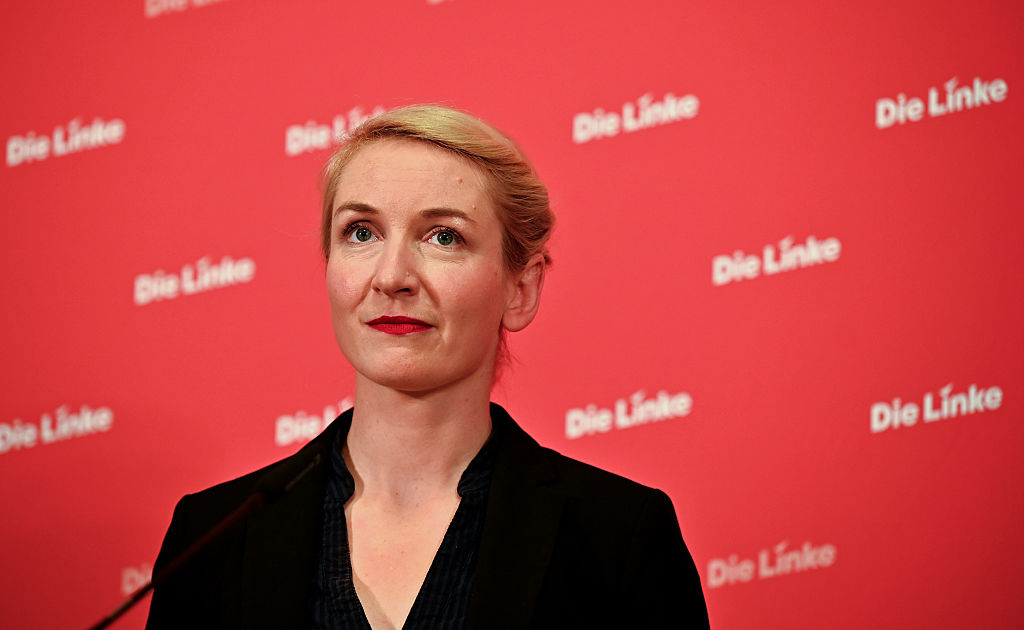
Last year’s elections saw a resurgence for Germany’s socialist party Die Linke. In an interview, coleader Ines Schwerdtner explains how the party is seeking to expand beyond current left-wing voters to reach broader parts of the working class.
the traditional working class is gone in developed countries
I understand that, but there is a kind of modern-day proletariat. Super market cashiers are working class in that sense.
At the same time a lot of the left is made up of the massively grown academic middle class.
I was about to reach to that. The contradiction now might be more about being “educated professional class” versus “non-educated workforce, specialized laborers etc” (let alone gender). And not other distinctions that might have been meaningful in the past, since you mentioned already that people don’t work in factories as much as they did before.
These are more meaningful for explaining politics, but the truth is the vast majority of people wants living wages, social welfare and public healthcare. Americans are heavily brainwashed against these ideas, and perhaps some neoliberal Europeans as well.
The main difference in class, is that factory workers and also miners built up strong unions. Most service jobs, be they educated or not, do not have those. Hence it is much harder to base a party around them.
These are more meaningful for explaining politics, but the truth is the vast majority of people wants living wages, social welfare and public healthcare. Americans are heavily brainwashed against these ideas, and perhaps some neoliberal Europeans as well.
This article is about Germany and there are no parties, which fundamentally oppose social welfare and public healthcare. They want less of them, but not completely destroy them. There are more discussions about the minimum wage being higher, but even that is at 13.90€($16 right now).
Being for them makes you mostly a centrists. The more left leaning parties go for stuff like universal basic income, massive government built housing projects and so forth.


I understand that, but there is a kind of modern-day proletariat. Super market cashiers are working class in that sense.
I was about to reach to that. The contradiction now might be more about being “educated professional class” versus “non-educated workforce, specialized laborers etc” (let alone gender). And not other distinctions that might have been meaningful in the past, since you mentioned already that people don’t work in factories as much as they did before.
These are more meaningful for explaining politics, but the truth is the vast majority of people wants living wages, social welfare and public healthcare. Americans are heavily brainwashed against these ideas, and perhaps some neoliberal Europeans as well.
The main difference in class, is that factory workers and also miners built up strong unions. Most service jobs, be they educated or not, do not have those. Hence it is much harder to base a party around them.
This article is about Germany and there are no parties, which fundamentally oppose social welfare and public healthcare. They want less of them, but not completely destroy them. There are more discussions about the minimum wage being higher, but even that is at 13.90€($16 right now).
Being for them makes you mostly a centrists. The more left leaning parties go for stuff like universal basic income, massive government built housing projects and so forth.