This would be incredibly energy inefficient first of all, because a lit of energy gets lost when using induction and that rises really quickly with the distance from the source.
Second of all, that would be really expensive to build.
Third of all, this doesn’t solve the real problem of individualized travel. Cars are really inefficient, becuase: 1. Their infrastructure wastes a lot of space. Most people travel alone in their cars, which means, you have all this sourounding machinery you need to transport in addition, which is huge. Cars get into traffic jams, so the city decides to widen the rode. This moves the whole city further appart, which means people need the car more often, which means there are more traffic jams.
2. They are hugely energy inefficient, because (as said before), you need to move the whole car around just to transport one person
3. They are the most dangerous mode of travel and most often endanger bike drivers or pedestrians.
4. They are loud and stink
You could solve most of these problems with proper public transport. These “futuristic” ideas, like inductive roads or Musks Hyperloop are just a way for big companies to direct funding and attention away from public transport.
OK, well there’s a lot of engineers and scientists that you’ll have to find and explain how wrong they are. I wasn’t inventing induction roadways in my head, they’re a real thing and showing a lot of success for use cases like the trucking industry and use on highways where cars travel at speed most of the time.
If we could power vehicles on negativity and dismissiveness of electrifying fossil fuel infrastructure until everyone got the exact solution they wanted, we could all drive to the moon and back.
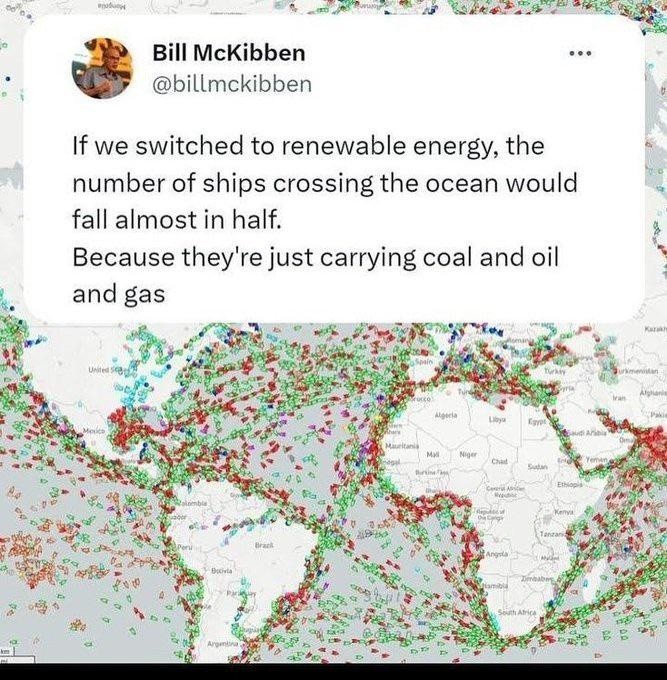
The thing is, we already have the solution though. It’s public transport. Railways can also be used to transport cargo. For longer routes you can still use ships.
Your solution is the unrealistic one. Because we would have to invest an insane amount of money into that infrastructure. We could invest a fraction if that into public transport and we would be so much better off.
I don’t care how many scientists agree with you. Just think critically for like 10 seconds about this. How would this really improve anything over public transport?
Also there are a lot if scientists agreeing with me, so…
I think you’re assuming everyone lives in an urban setting or a developed Western European country where trains are already present. That is not the case for a significant number of people, like it or not. it is not a one-size-fits-all solution, and certainly not a bridge to ease people off of fossil fuels.
My parents live 2 hours from a large city, and 30 miles outside of a small town, the last 2 miles of which are a dirt road. What, exactly, form of public transport should I take from the airport to their house? A series of busses and then walk 2 miles? How would THEY get to the store? How should they buy and get food to their small farm? On a bus?
Since you’re awake, you’re likely in the same time zone as I am, or close enough. Are there not isolated villages and communities where you live where 100 or fewer people aren’t worth a bus going by every 45 minutes, just in case?


No.
Here, let me DDG two words for you: https://www.enrx.com/en/Induction-Applications/Inductive-charging-and-power-applications/Dynamic-electric-roadway
This would be incredibly energy inefficient first of all, because a lit of energy gets lost when using induction and that rises really quickly with the distance from the source.
Second of all, that would be really expensive to build.
Third of all, this doesn’t solve the real problem of individualized travel. Cars are really inefficient, becuase: 1. Their infrastructure wastes a lot of space. Most people travel alone in their cars, which means, you have all this sourounding machinery you need to transport in addition, which is huge. Cars get into traffic jams, so the city decides to widen the rode. This moves the whole city further appart, which means people need the car more often, which means there are more traffic jams. 2. They are hugely energy inefficient, because (as said before), you need to move the whole car around just to transport one person 3. They are the most dangerous mode of travel and most often endanger bike drivers or pedestrians. 4. They are loud and stink
You could solve most of these problems with proper public transport. These “futuristic” ideas, like inductive roads or Musks Hyperloop are just a way for big companies to direct funding and attention away from public transport.
OK, well there’s a lot of engineers and scientists that you’ll have to find and explain how wrong they are. I wasn’t inventing induction roadways in my head, they’re a real thing and showing a lot of success for use cases like the trucking industry and use on highways where cars travel at speed most of the time.
If we could power vehicles on negativity and dismissiveness of electrifying fossil fuel infrastructure until everyone got the exact solution they wanted, we could all drive to the moon and back.
https://insideevs.com/news/777157/wireless-charging-highway-power/
https://www.prima.ca/en/project/inductive-electric-charging-road/
https://www.enrx.com/en/Company/Media/News/ASPIRE-Electric-Roadway-test-track---Electrifying-the-future-of-transportation
https://en.newsroom.vinci-concessions.com/news/world-s-first-dynamic-induction-charging-highway-road-tests-in-real-traffic-conditions-are-very-promising-c0075-55ff8.html
https://www.youtube.com/watch?v=UWW0wMahXfA
https://www.sciencedirect.com/science/article/pii/S2666691X22000458
https://newatlas.com/automotive/electreon-vinci-wireless-charging-motorway/
The thing is, we already have the solution though. It’s public transport. Railways can also be used to transport cargo. For longer routes you can still use ships.
Your solution is the unrealistic one. Because we would have to invest an insane amount of money into that infrastructure. We could invest a fraction if that into public transport and we would be so much better off.
I don’t care how many scientists agree with you. Just think critically for like 10 seconds about this. How would this really improve anything over public transport?
Also there are a lot if scientists agreeing with me, so…
I think you’re assuming everyone lives in an urban setting or a developed Western European country where trains are already present. That is not the case for a significant number of people, like it or not. it is not a one-size-fits-all solution, and certainly not a bridge to ease people off of fossil fuels.
My parents live 2 hours from a large city, and 30 miles outside of a small town, the last 2 miles of which are a dirt road. What, exactly, form of public transport should I take from the airport to their house? A series of busses and then walk 2 miles? How would THEY get to the store? How should they buy and get food to their small farm? On a bus?
Since you’re awake, you’re likely in the same time zone as I am, or close enough. Are there not isolated villages and communities where you live where 100 or fewer people aren’t worth a bus going by every 45 minutes, just in case?