I didn’t say it has to be… It’s the reality.
In the context of bioplastics the challenge is that the 17.5% of people in high-income countries are currently the only ones with the infrastructure and the disposable income to easily adopt expensive non-petroleum products and produce them as well. As for the other 82.5%, petroleum-based plastics remain the standard because they are significantly cheaper to produce and easier to manage in traditional waste streams. So, unless these replacement comes in cheap and easily producible forms we are far from replacing anything in the near future.


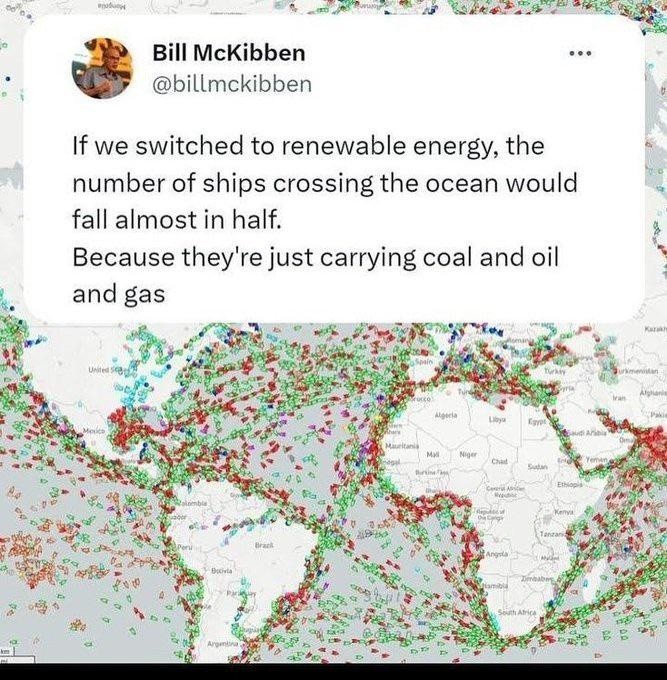
They don’t have to be though. We do not need petroleum to make plastics.
I didn’t say it has to be… It’s the reality. In the context of bioplastics the challenge is that the 17.5% of people in high-income countries are currently the only ones with the infrastructure and the disposable income to easily adopt expensive non-petroleum products and produce them as well. As for the other 82.5%, petroleum-based plastics remain the standard because they are significantly cheaper to produce and easier to manage in traditional waste streams. So, unless these replacement comes in cheap and easily producible forms we are far from replacing anything in the near future.