You can see in the data that the country dominates attitude. Using only the global averages against the generational buckets isn’t very useful. I want to see the generational breakdown BY COUNTRY.
yes, but the global trend across countries is clear. economic stagnation, lower mobility, a lack of resources and opportunities available.
So people look back to the past and have nostalgia for it for the mid 20th century when those things were abundant, and along with it they look back at strict gender roles and the idea that men should work and women should be home makers.
It’s a fact that in societies with high wealth disparities and a lack of mobility gender and social roles tend to be more rigid, whereas in societies with more equality they are more flexible. Which is largely a product of people seeking economic security first and foremost, and gender freedom only after they have it.
It’s a fact that in societies with high wealth disparities and a lack of mobility gender and social roles tend to be more rigid, whereas in societies with more equality they are more flexible. Which is largely a product of people seeking economic security first and foremost, and gender freedom only after they have it.
You have any good sources on this? Not being cynical, just genuinely interested.

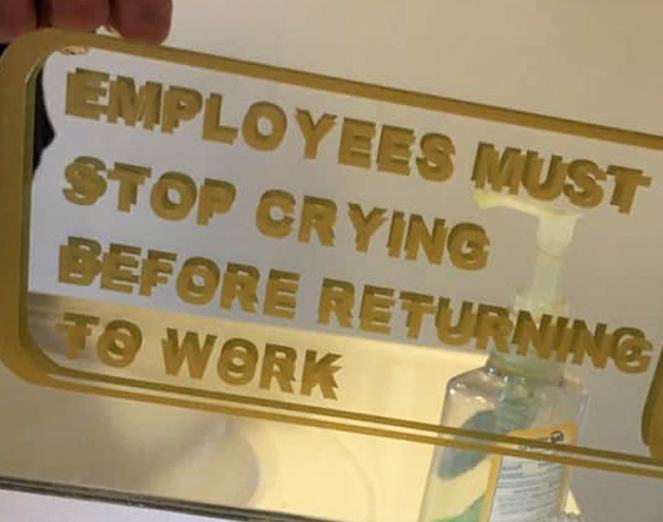

Even with those numbers, it’s still frustrating.
You can see in the data that the country dominates attitude. Using only the global averages against the generational buckets isn’t very useful. I want to see the generational breakdown BY COUNTRY.
yes, but the global trend across countries is clear. economic stagnation, lower mobility, a lack of resources and opportunities available.
So people look back to the past and have nostalgia for it for the mid 20th century when those things were abundant, and along with it they look back at strict gender roles and the idea that men should work and women should be home makers.
It’s a fact that in societies with high wealth disparities and a lack of mobility gender and social roles tend to be more rigid, whereas in societies with more equality they are more flexible. Which is largely a product of people seeking economic security first and foremost, and gender freedom only after they have it.
You have any good sources on this? Not being cynical, just genuinely interested.