DDR3 seemed plenty fast when it first showed up 19 years ago. Who could say no to 6400 Mb/s transfer speeds? Of course compared to the modern DDR5 that’s glacially slow, but given that RAM is…
The biggest problem with DDR3 is that the last (consumer) boards/CPUs that could use it are really, REALLY old. 5th-gen Intel or AM3 AMD. Which means you’re looking at a full decade old, at the newest. These boards also probably can’t do more than 32GB.
Now, I suppose if you only need 32GB RAM and a CPU that’s pathetic by modern standards, then this is a viable path. But that’s going to be a very small group of people.
I would be surprised if this is still true, at least for home use. It seems like the non-gamer, non-power user segment of the PC market just switched over to tablets and smartphones instead. PCs and laptops just aren’t really necessary anymore for “normal” people who just want to check their email, watch YouTube, and surf the web.
like this is anecdotal but most of my family has PC’s that are getting a bit long in the tooth but they still use it just fine for all the basic internet shit they do. Alot of folks would rather check their banking or emails on a bigger screen. My mom’s computer for example is almost 10 years old, if I throw Linux on it she’s good till the thing just up and dies.
She asked about buying a new PC this year and I just laughed and said “no, you enjoy having a roof over your head right?”
Yeah, my mom asked me for suggestions on a new computer since hers couldn’t do win11, so I just threw mint on it. She had no trouble making the switch.
I intentionally ignore the vast majority of everything on my phone until I can get to a real computer. Phones and tablets feel like unmitigated torture and I loathe it every time I have to use one to do something
Most of the older generation compute almost entirely through a web browser. They often struggle with the amount of notifications / solicitations that come up in a a Windows OS, as they can have trouble discerning between what is real and what is a scam - becoming fundamentally distrustful of everything as a result.
Through my repair shop, I’ve transitioned plenty of older generation folks to Linux Mint with minimal friction.
Main area where that can get a bit more complicated is for those who are clinging to an older piece of software they’re unwilling to let go of.
For a general use or gaming PC, 32GB is more than enough for the majority of users. It might show its limits with use as a server or dedicated database using complex queries.
Heck, even as servers go, I’ve got an AMD mini-PC running a Ryzen 5700u with 32 GB RAM. It’s running Plex, Jellyfin, AudioBookShelf, Home Assistant, Asset UPnP, and a few other apps, plus has some small extra VMs occasionally for testing stuff and I’m hardly utilizing it, nowhere near capacity. I’m never using more than 8 out of 16 threads, and about half the RAM is still available even under full load scenarios when I’m running updates and using Plex heavily (such as scanning intros, or doing acoustic analysis for Plexamp use).
Most of the time under normal use, it’s practically idle, and RAM use is low (Proxmox with memory minimums and ballooning).
My daily driver is a PowerEdge T620 with 48 Ivy Bridge cores (2x E5-2969 v2) and 384 GiB of DDR3-1333. It’s a bit of a power hog yes, but it’s still cheaper than upgrading to a more modern system with at least that much DDR4/5, and the only things where performance has been an obstacle has been a few more recent games (most recently Clair Obscur, which was bottlenecked by my GPU with the CPUs at pretty low utilization).
This is basically the exact scenario that led me to detail that I was only talking about consumer gear. Server gear is a very different beast, with a variety of tradeoffs that I didn’t want to get into. For instance, I’m assuming you can only use Registered RAM.
The list of vulnerability mitigations for those old CPUs is going to be a mile long. They will probably have their performance cut in half or worse. Even a much newer CPU like Zen 1 takes a big performance hit.
You can disable mitigations, but then a malicious website could potentially steal sensitive information on that computer.


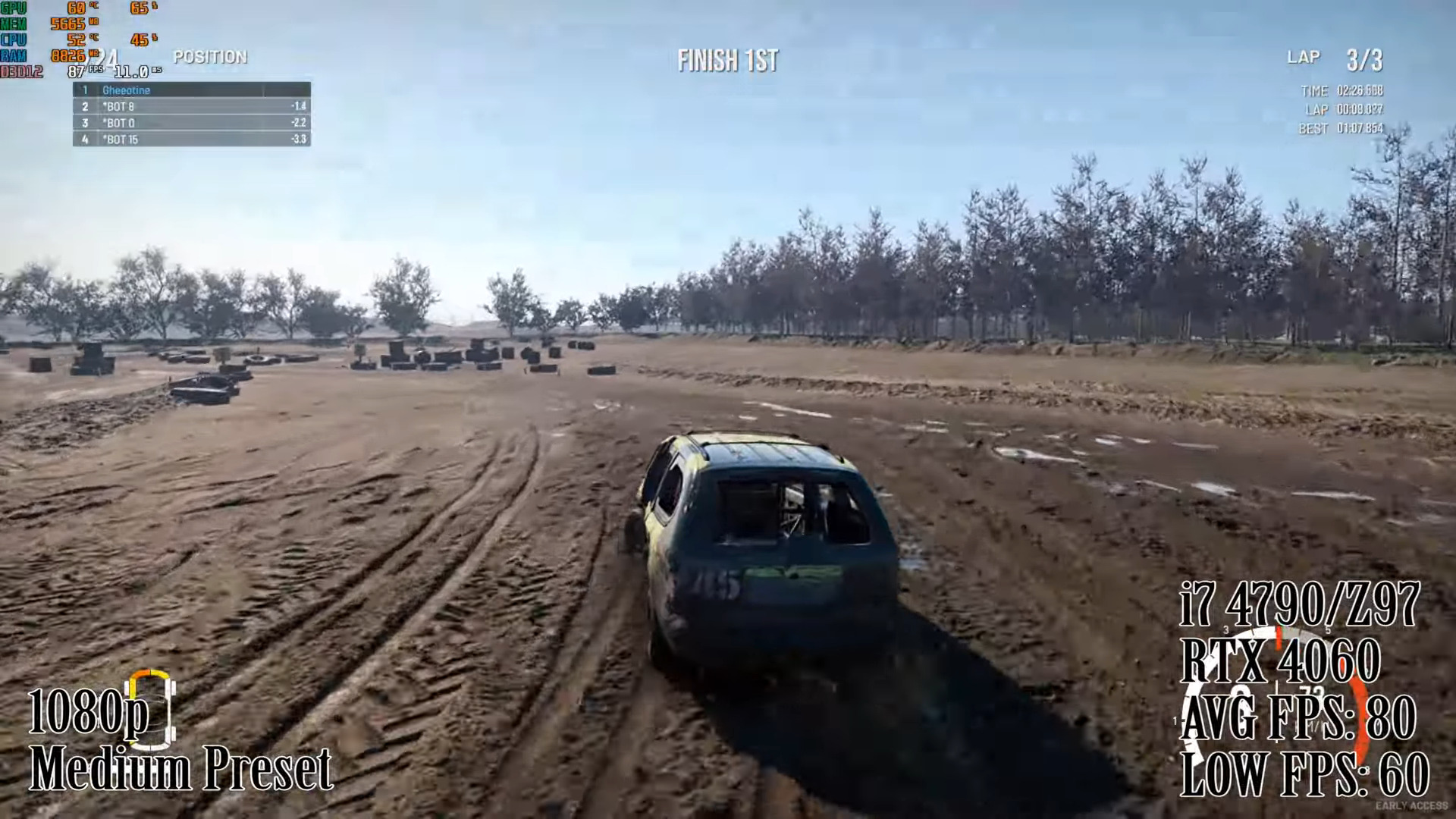
The biggest problem with DDR3 is that the last (consumer) boards/CPUs that could use it are really, REALLY old. 5th-gen Intel or AM3 AMD. Which means you’re looking at a full decade old, at the newest. These boards also probably can’t do more than 32GB.
Now, I suppose if you only need 32GB RAM and a CPU that’s pathetic by modern standards, then this is a viable path. But that’s going to be a very small group of people.
I think this is actually most people. Power users and hardcore gamers are a relatively small portion of the PC market.
I would be surprised if this is still true, at least for home use. It seems like the non-gamer, non-power user segment of the PC market just switched over to tablets and smartphones instead. PCs and laptops just aren’t really necessary anymore for “normal” people who just want to check their email, watch YouTube, and surf the web.
like this is anecdotal but most of my family has PC’s that are getting a bit long in the tooth but they still use it just fine for all the basic internet shit they do. Alot of folks would rather check their banking or emails on a bigger screen. My mom’s computer for example is almost 10 years old, if I throw Linux on it she’s good till the thing just up and dies.
She asked about buying a new PC this year and I just laughed and said “no, you enjoy having a roof over your head right?”
Yeah, my mom asked me for suggestions on a new computer since hers couldn’t do win11, so I just threw mint on it. She had no trouble making the switch.
I can see that eating into some PC use, but plenty of Millennials I know still prefer laptops or even desktops for casual use.
I intentionally ignore the vast majority of everything on my phone until I can get to a real computer. Phones and tablets feel like unmitigated torture and I loathe it every time I have to use one to do something
Non-power users would have no operating system, no Windows 11 support and grandma isn’t going to learn Linux
Grandma doesn’t need to “learn” Linux
Most of the older generation compute almost entirely through a web browser. They often struggle with the amount of notifications / solicitations that come up in a a Windows OS, as they can have trouble discerning between what is real and what is a scam - becoming fundamentally distrustful of everything as a result.
Through my repair shop, I’ve transitioned plenty of older generation folks to Linux Mint with minimal friction.
Main area where that can get a bit more complicated is for those who are clinging to an older piece of software they’re unwilling to let go of.
I exclusively use Linux and have several family members who have Linux laptops.
I don’t think it is impossible, but they require someone in their life that can handle the issues.
They’re going to have a much harder time finding support for a Linux machine than a Windows machine.
That’s what the hardware requirement bypass and a techie friend are for.
I manage a whole computer lab full of 3rd to 5th gen Intels with 8GB of RAM that run Windows 11 just fine.
hardware requirement bypass? hell no. at that point 10 LTSC and activation bypass
For personal use maybe. Not for a public organization that can get sued into oblivion if caught pirating.
For a general use or gaming PC, 32GB is more than enough for the majority of users. It might show its limits with use as a server or dedicated database using complex queries.
Heck, even as servers go, I’ve got an AMD mini-PC running a Ryzen 5700u with 32 GB RAM. It’s running Plex, Jellyfin, AudioBookShelf, Home Assistant, Asset UPnP, and a few other apps, plus has some small extra VMs occasionally for testing stuff and I’m hardly utilizing it, nowhere near capacity. I’m never using more than 8 out of 16 threads, and about half the RAM is still available even under full load scenarios when I’m running updates and using Plex heavily (such as scanning intros, or doing acoustic analysis for Plexamp use).
Most of the time under normal use, it’s practically idle, and RAM use is low (Proxmox with memory minimums and ballooning).
My daily driver is a PowerEdge T620 with 48 Ivy Bridge cores (2x E5-2969 v2) and 384 GiB of DDR3-1333. It’s a bit of a power hog yes, but it’s still cheaper than upgrading to a more modern system with at least that much DDR4/5, and the only things where performance has been an obstacle has been a few more recent games (most recently Clair Obscur, which was bottlenecked by my GPU with the CPUs at pretty low utilization).
This is basically the exact scenario that led me to detail that I was only talking about consumer gear. Server gear is a very different beast, with a variety of tradeoffs that I didn’t want to get into. For instance, I’m assuming you can only use Registered RAM.
Fair enough, it seems I overlooked the parenthesis in your original comment.
You have a small sever as a daily driver
Small?
The list of vulnerability mitigations for those old CPUs is going to be a mile long. They will probably have their performance cut in half or worse. Even a much newer CPU like Zen 1 takes a big performance hit.
You can disable mitigations, but then a malicious website could potentially steal sensitive information on that computer.
what is the difference between this and having new board, but not being able to afford that 32gb anyway?