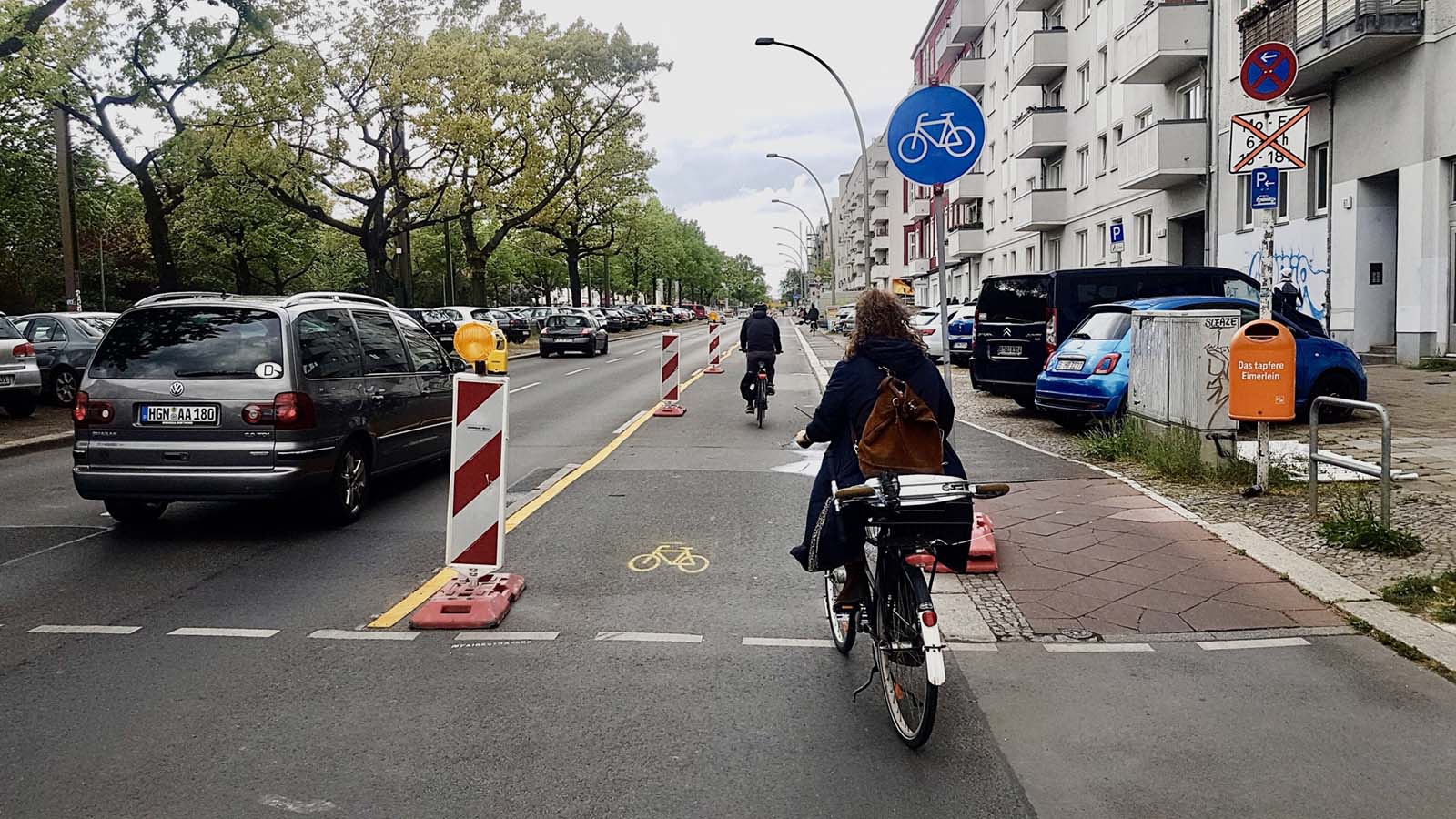
Opposition to sustainable transport projects is growing, because of distributive and identity grievances familiar from broader climate policy. Flora Baumgartner looks at how transport policies are contested locally, and how they act as glue for right-wing parties, locally and at a European level
When I talked about it with a repairman in our family they support cycling but they need cars for their job. You can’t move a fridge easily with a bike.
at thats why you encourage them to fight for active transport improvements. it gets more cars off the road, so there is less trafic they have to deal with, which means quicker travel for them
same with petrolheads! fewer cars mean fewer accidents, fewer queues, and fewer road hogs. the only people who actually benefit from there being more cars are car manufacturers and whoever they pay off.
This repair person doesn’t sound like somebody who’s very right-wing or somebody who loves cars. They just sound like any of us who are forced to use cars by our dysfunctional dead-end society.
Yep, it is possible but try riding around all day with all the equipment you need for all the other stuff you do when not moving big stuff. You would need to be superhuman or pack spare batteries if ebike. Not arguing against bikes but it’s just more practical to use a car.
The Dutch use cargo bikes for small fridges (I’ve seen it done), and they’re legislating to require that any city-center delivery vehicles for larger items must be electric.
Yea I think most people here would say they can get away with a van. We are more concerned with pickup trucks for office workers and occasional haulers.

When I talked about it with a repairman in our family they support cycling but they need cars for their job. You can’t move a fridge easily with a bike.
at thats why you encourage them to fight for active transport improvements. it gets more cars off the road, so there is less trafic they have to deal with, which means quicker travel for them
same with petrolheads! fewer cars mean fewer accidents, fewer queues, and fewer road hogs. the only people who actually benefit from there being more cars are car manufacturers and whoever they pay off.
Cool irrelevant story.
This repair person doesn’t sound like somebody who’s very right-wing or somebody who loves cars. They just sound like any of us who are forced to use cars by our dysfunctional dead-end society.
Yep, it is possible but try riding around all day with all the equipment you need for all the other stuff you do when not moving big stuff. You would need to be superhuman or pack spare batteries if ebike. Not arguing against bikes but it’s just more practical to use a car.
The Dutch use cargo bikes for small fridges (I’ve seen it done), and they’re legislating to require that any city-center delivery vehicles for larger items must be electric.
Depends on the definition of “easily”:
Yea I think most people here would say they can get away with a van. We are more concerned with pickup trucks for office workers and occasional haulers.