

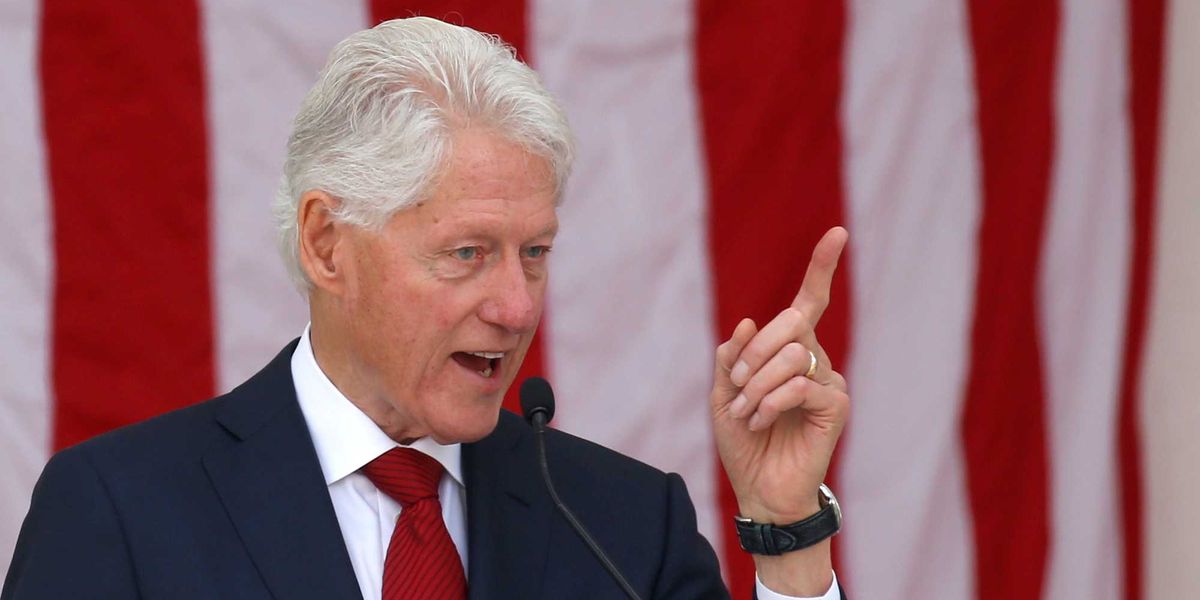
An unprecedented surge in Black voter turnout across the American South is fundamentally reshaping the 2026 midterm political landscape. This massive, highly localized mobilization is defying traditional non-presidential voting patterns and threatening to turn what was expected to be a standard midterm election cycle into a “Blue Tsunami” for Democrats, breaking open what were previously considered safe Republican strongholds.
…
It’s also all the fucking gerrymandering – the harder you gerrymander, the thinner your margins get in the ‘winning’ districts.
Yup. Mathematically, gerrymandering is a combination of packing (putting as many as you can of the opposing side into a concentrated district you lose) and cracking (spreading the opposing side among the remaining districts so that they can’t get a majority of any of them).
If you try to grab too many seats, though, your gerrymandering advantage is diluted in any given district so that you may actually lose a lot in a wave year, more than if you even didn’t gerrymander.
So imagine a state that has 10 districts of 100 usual voters each, 500 of each party. Most years, each party gets 5 out of the 10 seats. But if you’re gerrymandering, you can pack 2 districts 90/10 and build a 60-40 advantage in the other 8, which holds your 8-2 advantage unless the population swings 20 points. Or you can get greedy and try to pack one district 90/10 and build only a 55-45 advantage in the other 9, good for most years but vulnerable to a swing of 10%. At that point, you might have accidentally given the other side a 10-seat sweep in a year where the popular vote goes 560-440, with one district going 99-1 and the other 9 going 52-48 or so.
Most real world gerrymandering isn’t that clean, but the intended goal was to create a bunch of 55-45 districts. And now those districts might actually swing.
From what I’ve heard, a lot of red states have been very greedy lately – going to 5% or even 2.5% margins in winning districts. And I think 2026 is going to show them what a bad idea that was.
Specifically if there is a higher than expected turnout or swing you can overflow and lose more seats than if you haven’t gerrymandered.