
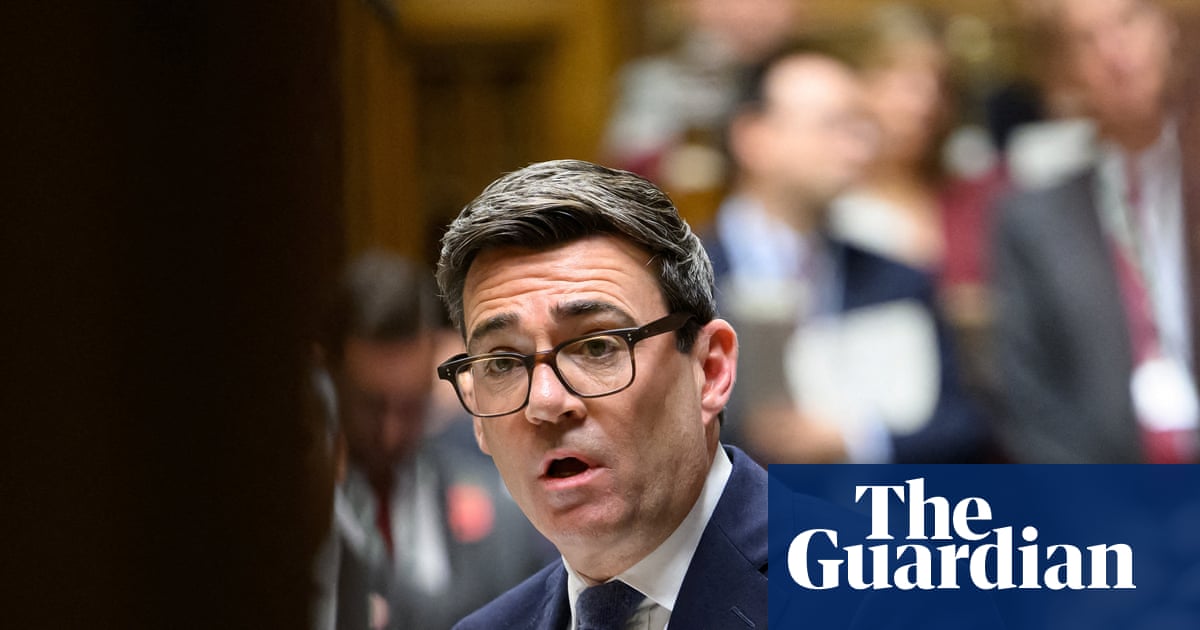
Apparently Burnham wrote a letter to ministers, in which he said this:
I am clear in my conviction that the Brexit deal negotiated by the Conservative government was not good enough for Britain… It has led to a decade of low growth, burdened businesses with more red tape and weakened our ability to control immigration. It is a harder Brexit than was promised at the EU referendum.
…we will need to consider the UK’s long-term relationship with the EU as part of our 10-year plan. I will set out the next steps for this process around the [UK-EU] summit.
Hopefully that summit brings some good news (i.e. closer relations between the UK and EU).
The question was “in or out”. Britain (mostly England) chose “out”, because evidently they don’t teach history in the schools.
What the campaigners promised wasn’t linked to the reality of the EU treaties UK had signed when the EI formed, or the reality of needing to negotiate with the EU from a significantly weaker position.
Maybe another negotiating team would have gotten a sweeter deal, maybe not. In any case, it’s the deal UK voters asked for (by electing successively worse governments).
You could argue it’s a deal that some Brits voted for, but definitely not all Brits of course.
Only 51.89% of those who voted in the Brexit referendum in 2016 voted for Brexit.
In 2019 there was a general election, and during that election campaign, Boris Johnson promised to “get Brexit done”, but only 43.6% of voters in that election voted for Johnson’s party, the Conservatives. So a majority of voters in that election voted against the Conservatives.
It would have been possible to leave the EU while staying in the single market and/or customs union, but the Conservatives chose a particularly hard version of Brexit, cutting more ties than necessary with the EU.