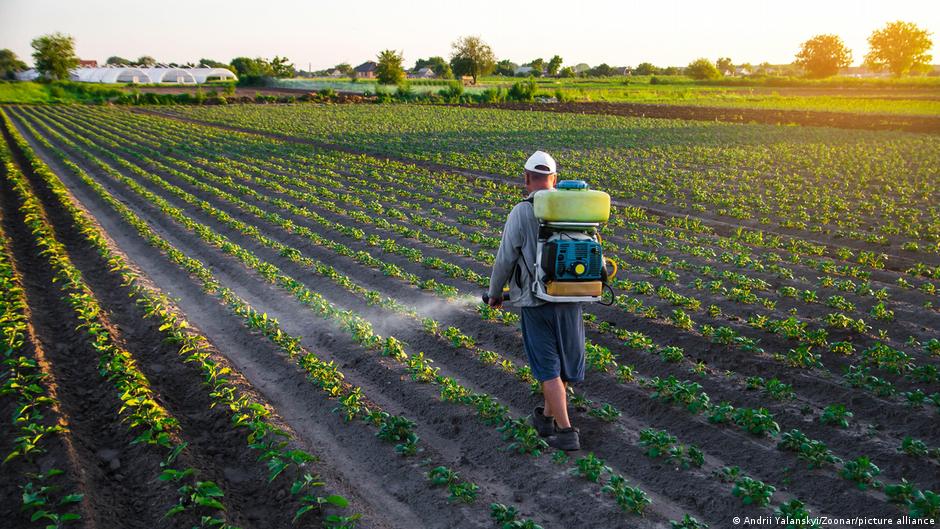
The European Commission’s proposed revamp of the system would make indefinite greenlighting — including of the controversial glyphosate, which has been linked to cancer and kills almost all plant life — the default.
Ecologists and medical experts, however, have spoken out forcefully against the proposed changes, saying the potential implications for human health and the environment are being downplayed.
In September, more than 500 experts from across the EU signed an open letter calling on the European Parliament to suspend its consideration of the new regulations and conduct an independent investigation into health and environmental impacts.
Fuck Bayer Monsanto. Peddle your poison someplace else.
Or better, stop these poisons for being made at all.
So we would move from “prove that this substance is harmless” to “prove this substance is harmful”?
I see now way in which this could ever come to bite us in the ass years down the line. /s
No that’s not it at all. The proposal is to keep the same process but allow pesticides to be approved indefinitely until a law is passed banning it. Currently a pesticide is approved for a certain time and after that time the approval expires and the substance has to be proved to be safe and reevaluated once again. For most pesticides this period is around 3-5 years. What this means is that every 5 years or so every pesticide has to go through this enormous and very costly bureaucratic process once again. Some more niche pesticides have lost their approval because the cost of going through the process once again is larger than the pesticide is paying out in sales. This system also leads to some weird situations because every pesticide bottle has a date on it. What happens is that even when the pesticide is reapproved the old bottles are still made illegal once the date runs out. If a farmer has old bottles at home with the old date on it he has to order new labels for them. I know this process very well because I send out these new labels all the time.
Some however would say that this constant process of revaluation of every single pesticide 1-2 times every decade is good as the reevaluation can account for any new science that has come out but the fact is that it’s also extremely expensive and limits what can cost effectively be put on the market, especially for niche crops. No one wants to release a quinoa specific pesticide for example because the cost of reapplying every 3-5 years (common time interval for niche pesticides) is too high compared to the amount of quinoa grown in the EU. Another example is triticale which is a very productive grain but in my own country it has very low adoption because no pesticides are approved for it and no one wants to release pesticides for it because the land area grown for triticale is today too low. Chicken and egg situation.
However I’m extremely biased here because I’m so damn sick of sending out new labels all the time.
Thanks for that insight.
They don’t care, they’ve already got the payout and think they’re too rich to be harmed by it.
This is how you end up with sewer monsters ~ an American
I want to point out that the link between glyphosate and cancer - while true - is also populism. It is indeed cancerous, but in incredible amounts no one will ever be able to consume, i.e. actually drinking it. It is basically as cancerous as hot tea. I’m not commenting on the effects on other plants, I’m just pointing out the facts.
Indeed. Many of the cases reported on in media are extreme. For example that woman who sued because glyphosate caused her to have a miscarriage. She dropped a whole container of roundup all over her body. That’s an extremely different case than the parts per billion found in food at the grocery store. I like to compare it to household bleach. The one handling the bleach has to be very careful because it’s dangerous in its raw form. But no one should have to be afraid of wearing clothes washed in bleach the correct way.
Many of the animal studies on glyphosate put either large amounts of it in their food or as one study did, literally sprayed it on the rats faces once per day. The only conclusion that can be drawn by that is that the one spraying it has to take caution not to spray it on themselves.
I’m no expert but the biggest challenge I’ve seen so far has been rundown from torrential rains and the fact that it’s been used to kill a lot of milkweed (any of the asclepias), reducing dramatically monarch populations. (e.g. https://www.invasiveplantswesternusa.org/monarch-butterflies-impacts-of-herbicides.html)
But beyond that, for aquatic life, soil quality, etc… it’s been the lesser of multiple evils.