What’s the source on this? To my knowledge they’re like most e-waste: technically recyclable but separating the component elements is functionally impossible
separating the component elements is functionally impossible
No, it’s actually easy to pull apart the different components of a panel and can be done by hand. The main expense is the labour.
The labor cost is the problem - it costs $10 to $20 (AU) to recycle a panel, but the value of the parts vary based on the cost of copper, silver and aluminium and so capitalism struggles to make a consistent profit on it. Hopefully as the oil crisis worsens, transport costs will probably go up and the profitablity of recycling should increase.


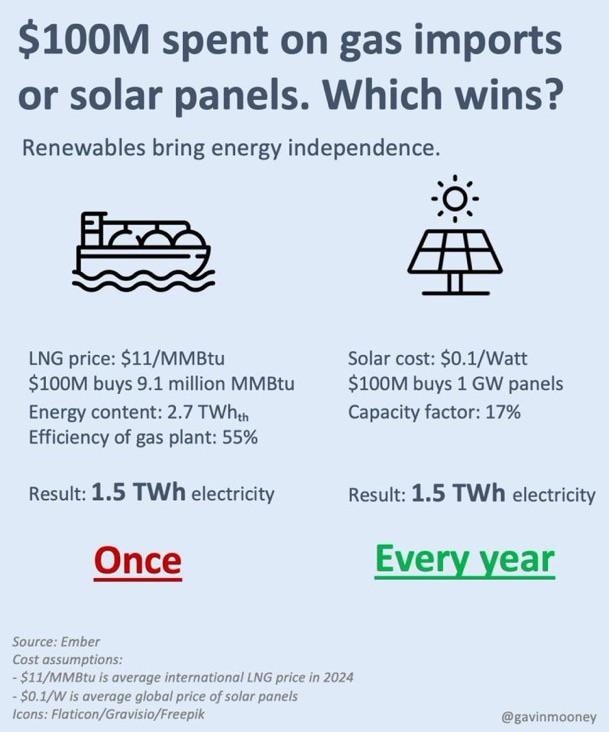
What’s the source on this? To my knowledge they’re like most e-waste: technically recyclable but separating the component elements is functionally impossible
Most of the mass is aluminum for the frame. Then you have the actual silicon, which are paper thin wafers. And a voltage controller.
Also, its moot anyway, because that gas and oil is burned up the second its used. If we even recycle the frame of the panels only, net win.
No, it’s actually easy to pull apart the different components of a panel and can be done by hand. The main expense is the labour.
The labor cost is the problem - it costs $10 to $20 (AU) to recycle a panel, but the value of the parts vary based on the cost of copper, silver and aluminium and so capitalism struggles to make a consistent profit on it. Hopefully as the oil crisis worsens, transport costs will probably go up and the profitablity of recycling should increase.
PS: The relevant technology connections video