I do not think “compatible with solarpunk?” has a binary answer. The present AI arms race is plainly hard to square with solarpunk: opaque infrastructure, speculative scale, and communities asked to absorb its water and energy costs.
But a tool is not redeemed or condemned by its label. A use should have to meet a high bar: transparent footprint, a bounded budget, a locally meaningful benefit, and evidence that it prevents more harm than a lower-compute alternative. Earth observation and climate modelling may sometimes meet that bar. Generating disposable content probably does not.
Solarpunk’s role could be to make those conditions non-negotiable.


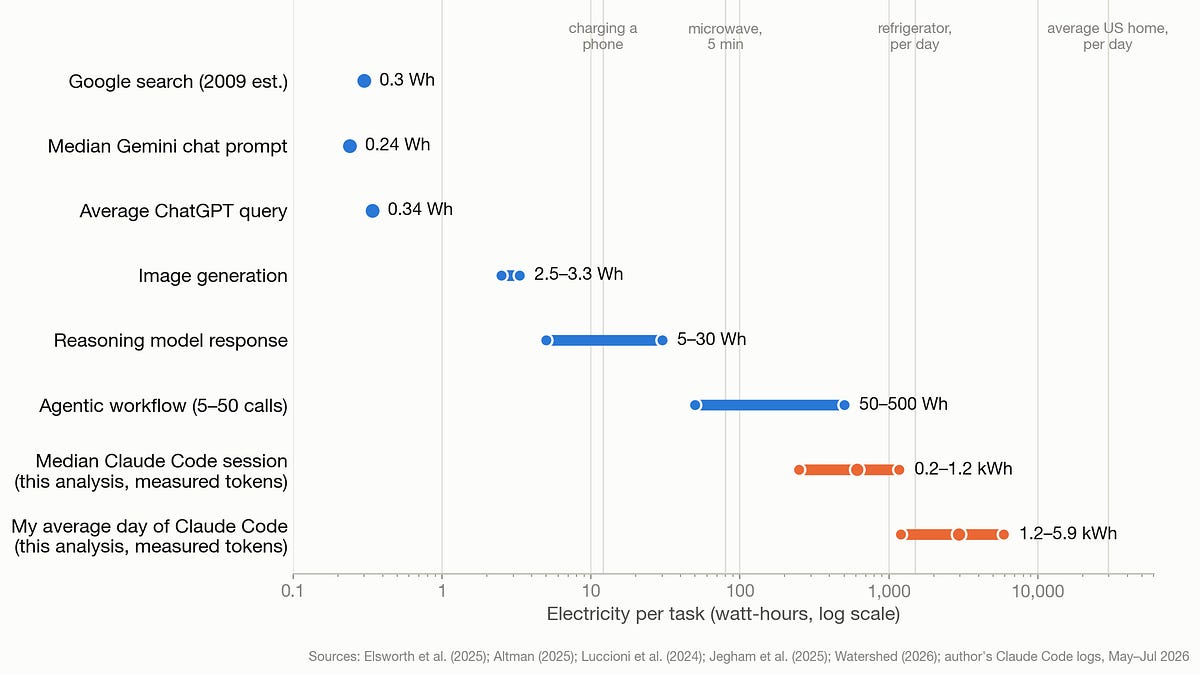
I do not think “compatible with solarpunk?” has a binary answer. The present AI arms race is plainly hard to square with solarpunk: opaque infrastructure, speculative scale, and communities asked to absorb its water and energy costs.
But a tool is not redeemed or condemned by its label. A use should have to meet a high bar: transparent footprint, a bounded budget, a locally meaningful benefit, and evidence that it prevents more harm than a lower-compute alternative. Earth observation and climate modelling may sometimes meet that bar. Generating disposable content probably does not.
Solarpunk’s role could be to make those conditions non-negotiable.