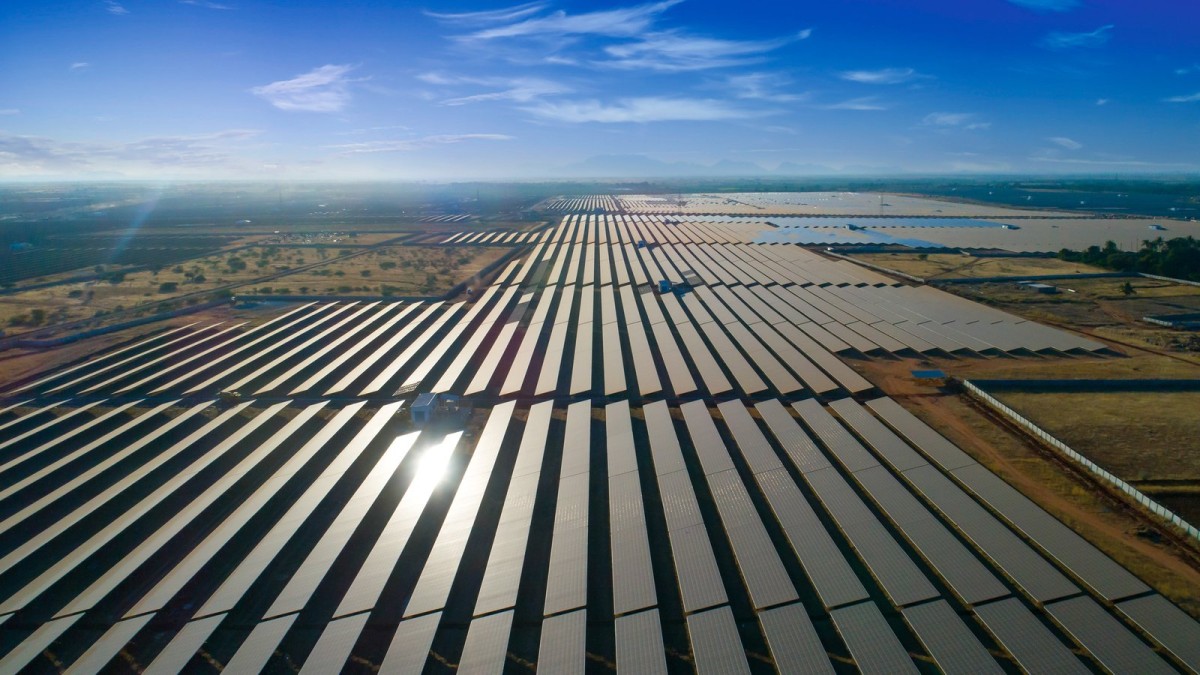
Solar now requires no more upfront capital than coal or gas to produce the same annual electricity, reversing a disadvantage that was as large as five-to-one a decade ago.
I’m still hopeful for synthetic hydrocarbon production from power-to-liquid Fischer-Tropsch processes, especially the ones that convert captured CO2 and H2 into kerosene for jet fuel. That same 5 MWh/18 gigajoules of energy I was discussing in my earlier comment can be stored in about 390 kg of synthetic kerosene, at 46.4 MJ/kg.
There’s no doubt that it will require a lot of technological and engineering advancement for carbon capture + hydrolysis + the whole PtL process to approach the round trip energy efficiency of charging a lithium ion battery (90%) or pumped hydro (75%), but if we do intentionally overbuild solar and run the chemical plants at near-negative energy prices based on time of day, it could lead to a more broadly sustainable global supply chain for decarbonizing existing fossil fuel systems (like airplane jet engines).


Right, but I was comparing pumped hydro electric to carbon capture for fuel…
I’m still hopeful for synthetic hydrocarbon production from power-to-liquid Fischer-Tropsch processes, especially the ones that convert captured CO2 and H2 into kerosene for jet fuel. That same 5 MWh/18 gigajoules of energy I was discussing in my earlier comment can be stored in about 390 kg of synthetic kerosene, at 46.4 MJ/kg.
There’s no doubt that it will require a lot of technological and engineering advancement for carbon capture + hydrolysis + the whole PtL process to approach the round trip energy efficiency of charging a lithium ion battery (90%) or pumped hydro (75%), but if we do intentionally overbuild solar and run the chemical plants at near-negative energy prices based on time of day, it could lead to a more broadly sustainable global supply chain for decarbonizing existing fossil fuel systems (like airplane jet engines).