That’s not at all what’s being said. Knowing the speed people will want to drive with a specific design, doesn’t make it inherently “too fast”, its the exact opposite.
You quoted and replied to my hyperbolic conclusion instead of the substance of what I was saying. Which is why I don’t really disagree, on the face of it, with anything you said.
The problem is not in individual roads or individual road designs. Though we often have to use the thought of an individual road to describe the problem. Which is what I was doing through analogy. The problem is that there is nothing put into the design to account for the impact on the way people drive based on the design parameters themselves.
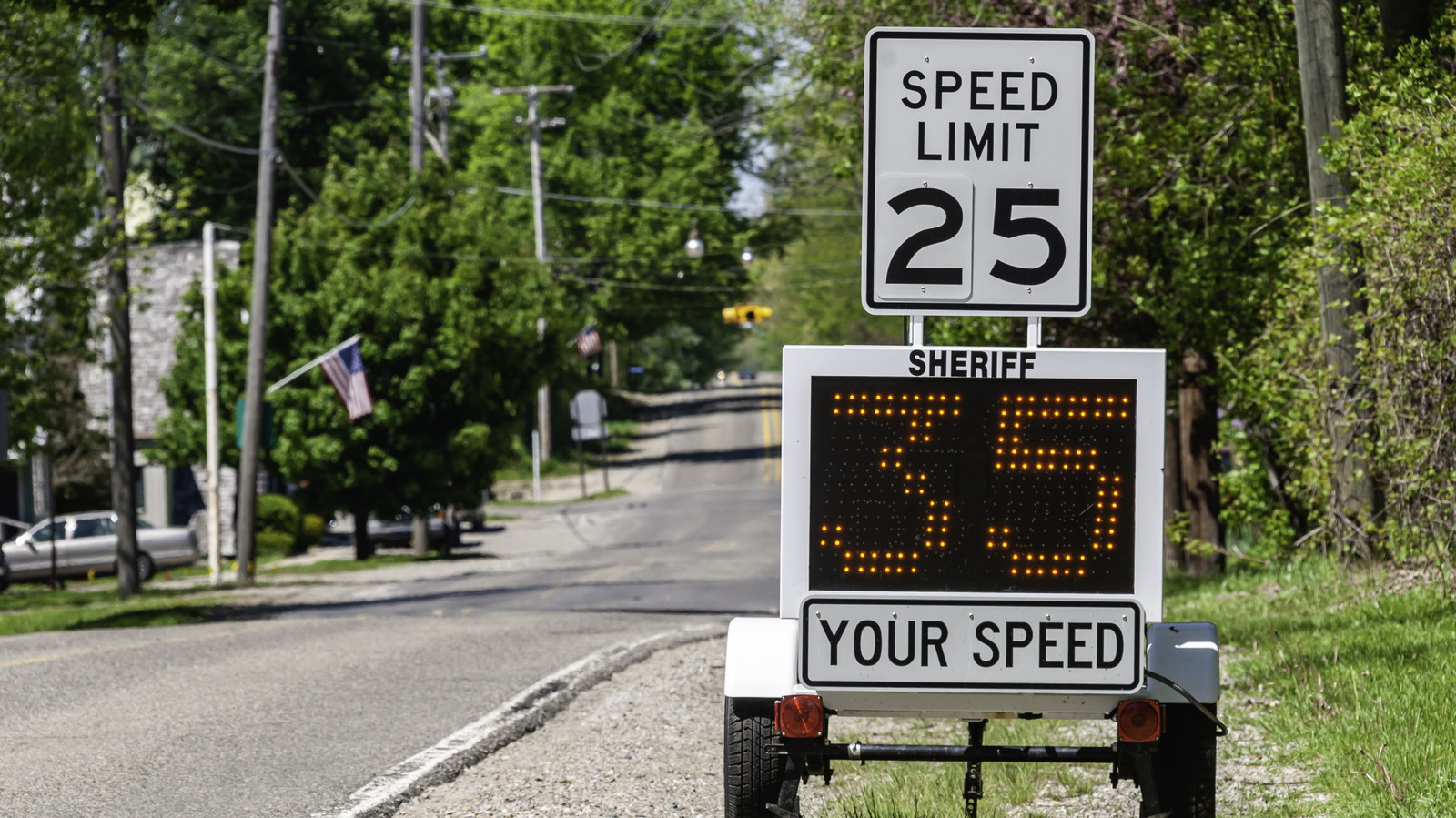
It is a feedback loop that is not being taken into consideration by the design guidelines of American road infrastructure. The very basic “post the height of the bridge as 1 ft lower than it actually is” is being applied to speed limits and road design. When this type of thinking is far too simplistic for a much more complex system of human interaction with the road and other humans themselves.
The truck driver that drives a 10ft tall truck that fits under a bridge with a posted 9 ft 11in tall sign doesn’t think “hmmm I bet I could fit my 10ft 1in truck under here as well”.
But drivers do have these more complex thoughts and interactions with the road that they drive down every day.
My post was more a criticism of the use of speed limits in general. Which is why I was being hyperbolic. But I should have been more clear.
I am in favor of the design choice that "the driver should not even need to know the limit. They should be incentivized by the design to drive at a speed that is both safe for themselves, other drivers, and above all, pedestrians.

You quoted and replied to my hyperbolic conclusion instead of the substance of what I was saying. Which is why I don’t really disagree, on the face of it, with anything you said.
The problem is not in individual roads or individual road designs. Though we often have to use the thought of an individual road to describe the problem. Which is what I was doing through analogy. The problem is that there is nothing put into the design to account for the impact on the way people drive based on the design parameters themselves.
It is a feedback loop that is not being taken into consideration by the design guidelines of American road infrastructure. The very basic “post the height of the bridge as 1 ft lower than it actually is” is being applied to speed limits and road design. When this type of thinking is far too simplistic for a much more complex system of human interaction with the road and other humans themselves.
The truck driver that drives a 10ft tall truck that fits under a bridge with a posted 9 ft 11in tall sign doesn’t think “hmmm I bet I could fit my 10ft 1in truck under here as well”.
But drivers do have these more complex thoughts and interactions with the road that they drive down every day.
My post was more a criticism of the use of speed limits in general. Which is why I was being hyperbolic. But I should have been more clear.
I am in favor of the design choice that "the driver should not even need to know the limit. They should be incentivized by the design to drive at a speed that is both safe for themselves, other drivers, and above all, pedestrians.