

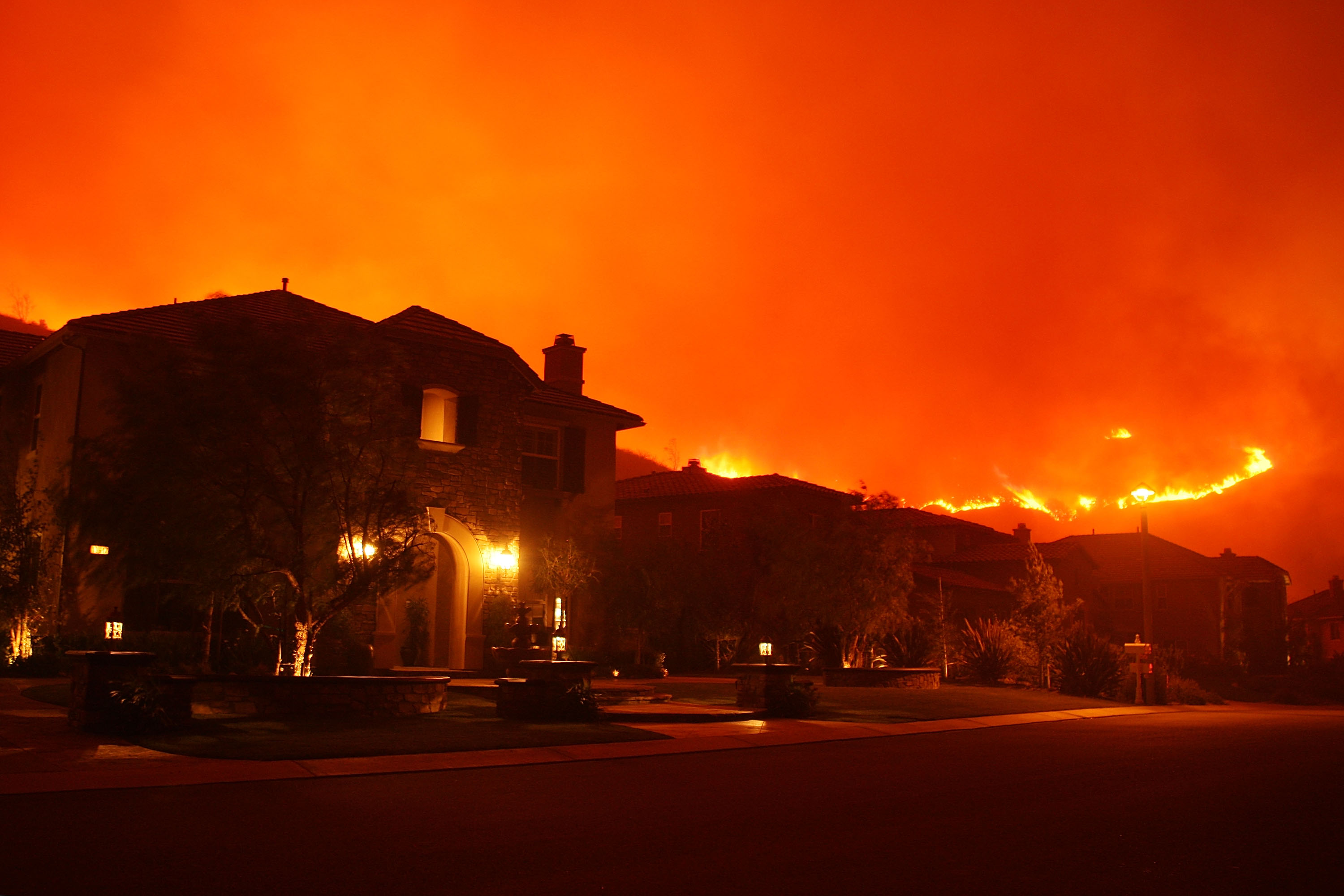
Climate change is throwing a snag in one of the most important considerations during the home-buying process—location. With catastrophic wildfires, hurricanes and sea-level rise climbing, experts are urging prospective homebuyers to take regional climate risks into account before settling down somewhere with a 30-year mortgage.
In recent years, real estate and rental marketplaces have started to show these dangers on home listings to equip buyers with basic climate-threat information. However, one of the most popular marketplaces recently took down its climate scores following pushback from the housing industry, which claims the data is unreliable and negatively impacts the market, as Inside Climate News fellow Claire Barber reported.
Now companies, researchers and some states are stepping in to fill gaps. A slew of resources remain available for people to tap as they try to avoid the worst of future climate impacts.
One of the hard truths to accept early on in the search for a new home is that there are no climate havens, experts say. Research shows that climate impacts touch every corner of the world, from the remote Arctic to the bustling streets of New York City.
But that doesn’t mean every region faces the same type or degree of risk, so it is possible to find areas that are less likely to be pummeled by a hurricane or scorched by a wildfire, said Jesse Gourevitch, an economist at the nonprofit Environmental Defense Fund.
“As a homebuyer, the key is trying to access information about those relative risks and then decide how to make trade-offs with that information relative to all the other criteria that a homebuyer might be considering,” he told me.
The entirety of midwest real estate is critically undervalued for this exact reason.
Yes! With the exception of Arkansas and Oklahoma, which may be considered part of that region, but are facing several compounding risks. The biggest threats facing the Midwest are wind, hail, and storms, but I’ll take that over wildfires, hurricanes, floods, or lethal wet bulb events.
My hometown in the midwest is sinking because it was built on wetlands:)