From my perspective we have to find a way to make use of human excrements somehow. We plant crops which extract nutrients from the soil, harvest and eat them. If we don’t close the loop somehow, it means that we have to use fossil fertilizer instead to compensate the degradation of the soil. Polluting the soil with toxic substances is obviously also not the right way, but I think then we have to invent ways to process the sewage or avoid it being contaminated in the first place.
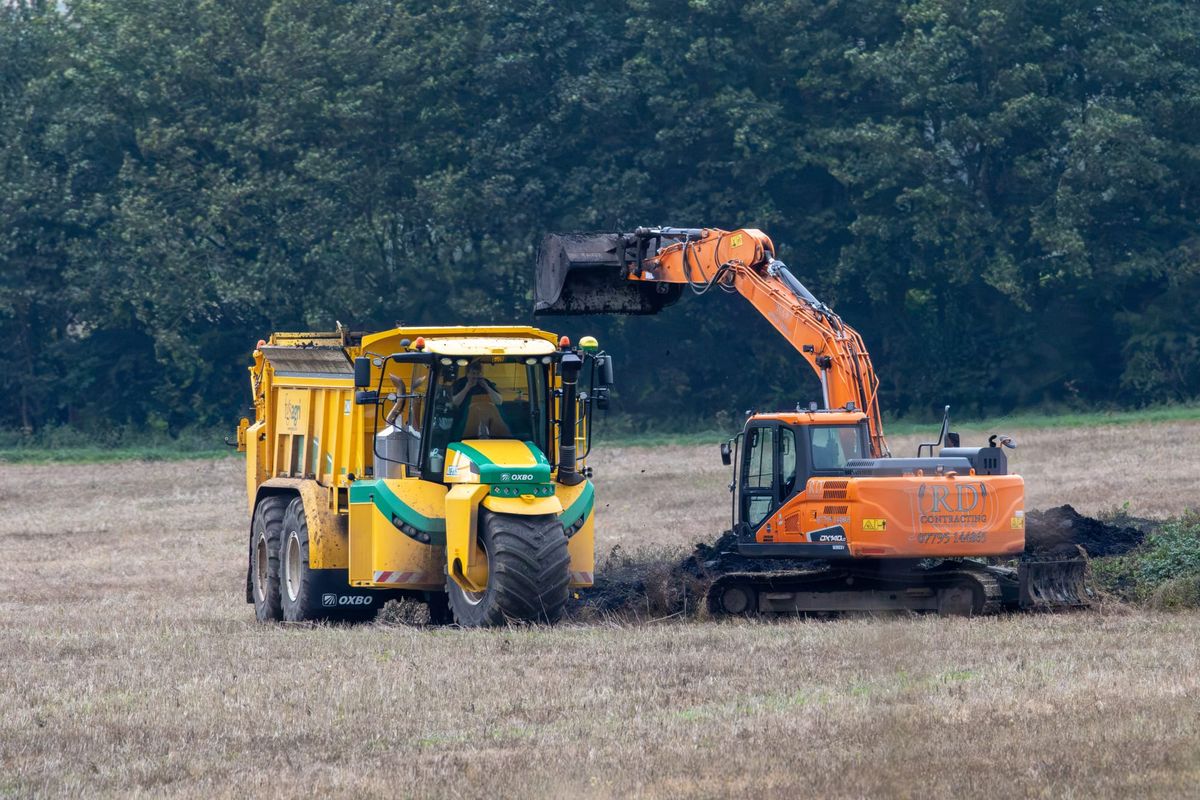
while this is true, the current way we do broad acre farming and just literally spraying diluted shit around (same for artificial fertilizer spread from giant trucks I watch from my window with despair) inevitably leads to run off and toxic levels of nutrient build up in streams and rivers (just have the see the end result in NZ for example of spreading dairy muck across fields and the resultant endless dead rivers and streams)
My point ? nothing will work unless an holistic approach is adopted and food is valued and grown more in local collectives and is much, much more expensive. Currently food is way too cheap because it’s been industralised
The “downside” of that is its political suicide, the result of that is inevitable ecological collapse, greatly exacerbated by an unstable biosphere from climate change.
Additionally, if this waste wasn’t used it would end up in a landfill. I think using it for a beneficial purpose is a good idea, but obviously improvements can be made like you said. In my opinion we should hold the initial producers of forever chemicals and microplastics responsible. Stop them before they are even made and they wont end up in the sewage sludge.
I think most is burned today for heat / electricity production. But the energy yield is pretty low due to the relatively high humidity, so you can only burn it along other stuff (oil, gas, plastics). The remaining ashes are then a concentrate of all the toxic stuff, heavy metals etc.
You don’t have to spread human waste on farms to eliminate the use of synthetic fertilizers. There are plenty of sustainable farming methods, it’s just that synthetic fertilizers are dirt cheap and that’s really the only thing that matters in industrial agriculture
If you use compost as fertilizer, you need plant scraps. If you harvest parts of the plant for food, the scraps cannot contain all the nutrients extracted from the soil, but only a certain part of it. For some nutrients like nitrogen you can explicitly use plants to extract it from the air and accumulate it in the soil. Others like phosphorus come directly from the stone and soil. You can of course grind down stones and put the powder on your field to compensate the harvest you took away, but again that’s moving a finite ressource from A to B, not a closed circle. In contrast ALL the nutrients we took from the field end up in human feces (and a small part in the body). Putting it back is just a logical consequence and has been done for thousands of years.
The issue is that we have these harmful substances in the waste water. Partly from our bodies as we ate them. Partly, from industrial complexes, cleaning supplies etc. because it all ends up in the same pipe.
It’s a similar thing with forests BTW. If you keep extracting wood, but don’t return anything, the soil isn’t exactly getting better. Plus the effects of all the heavy machinery that compresses the soil making harder for plants to reach with their roots.
The waste isn’t the problem, and it needs to go somewhere.
The price of normal fertilisers has risen very steeply over the past five years. Sustainable farming methods rarely scale. Farmers aren’t stupid, and they aren’t usually in the business of damaging the environment they farm.


From my perspective we have to find a way to make use of human excrements somehow. We plant crops which extract nutrients from the soil, harvest and eat them. If we don’t close the loop somehow, it means that we have to use fossil fertilizer instead to compensate the degradation of the soil. Polluting the soil with toxic substances is obviously also not the right way, but I think then we have to invent ways to process the sewage or avoid it being contaminated in the first place.
while this is true, the current way we do broad acre farming and just literally spraying diluted shit around (same for artificial fertilizer spread from giant trucks I watch from my window with despair) inevitably leads to run off and toxic levels of nutrient build up in streams and rivers (just have the see the end result in NZ for example of spreading dairy muck across fields and the resultant endless dead rivers and streams)
My point ? nothing will work unless an holistic approach is adopted and food is valued and grown more in local collectives and is much, much more expensive. Currently food is way too cheap because it’s been industralised
The “downside” of that is its political suicide, the result of that is inevitable ecological collapse, greatly exacerbated by an unstable biosphere from climate change.
Additionally, if this waste wasn’t used it would end up in a landfill. I think using it for a beneficial purpose is a good idea, but obviously improvements can be made like you said. In my opinion we should hold the initial producers of forever chemicals and microplastics responsible. Stop them before they are even made and they wont end up in the sewage sludge.
I think most is burned today for heat / electricity production. But the energy yield is pretty low due to the relatively high humidity, so you can only burn it along other stuff (oil, gas, plastics). The remaining ashes are then a concentrate of all the toxic stuff, heavy metals etc.
You don’t have to spread human waste on farms to eliminate the use of synthetic fertilizers. There are plenty of sustainable farming methods, it’s just that synthetic fertilizers are dirt cheap and that’s really the only thing that matters in industrial agriculture
If you use compost as fertilizer, you need plant scraps. If you harvest parts of the plant for food, the scraps cannot contain all the nutrients extracted from the soil, but only a certain part of it. For some nutrients like nitrogen you can explicitly use plants to extract it from the air and accumulate it in the soil. Others like phosphorus come directly from the stone and soil. You can of course grind down stones and put the powder on your field to compensate the harvest you took away, but again that’s moving a finite ressource from A to B, not a closed circle. In contrast ALL the nutrients we took from the field end up in human feces (and a small part in the body). Putting it back is just a logical consequence and has been done for thousands of years.
The issue is that we have these harmful substances in the waste water. Partly from our bodies as we ate them. Partly, from industrial complexes, cleaning supplies etc. because it all ends up in the same pipe.
It’s a similar thing with forests BTW. If you keep extracting wood, but don’t return anything, the soil isn’t exactly getting better. Plus the effects of all the heavy machinery that compresses the soil making harder for plants to reach with their roots.
The waste isn’t the problem, and it needs to go somewhere.
The price of normal fertilisers has risen very steeply over the past five years. Sustainable farming methods rarely scale. Farmers aren’t stupid, and they aren’t usually in the business of damaging the environment they farm.
Farmers are already looking into this: