

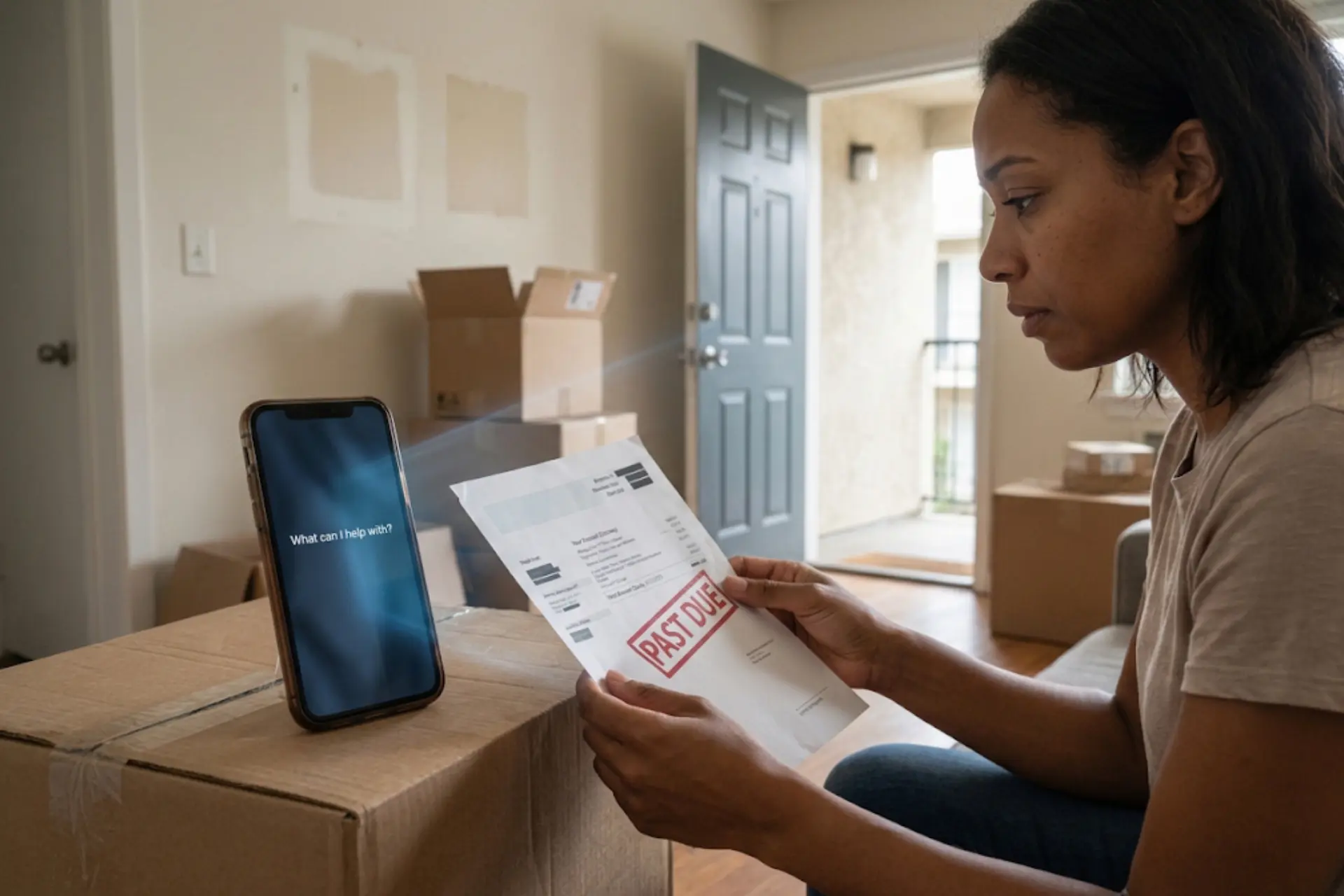
A tenant faced wrongful eviction after an automated property management AI assistant erroneously approved a payment extension on nearly $4,000 in past-due rent.
Let’s say I code my website to have a 10% chance of giving any visitor a discount code. Is that a decision being made by the website? If we say yes, then websites make decisions. If we say no, then by the same logic a chatbot isn’t making a decision either. It’s probability model is just a lot more complicated.
(Obviously this example isn’t something anyone would do in practice, but it’s an adequate simplification of things that do happen in reality; Warframe sometimes gives me a discount when I log in, Cineplex sends me cheap ticket codes every now and then; the algorithm making those “decisions” is more complex than just a one in ten dice roll, but it’s certainly not a human being making the decision every time, and they were doing this stuff long before LLMs showed up).
The point is, chatbots aren’t sentient. They do not have agency. Anything they output is a function of some combination of deterministic and probabilistic algorithms. While technically interesting, they are, legally speaking, no different from a dice roll, some math, and some hard-coded rules.
To try to argue that a chatbot is “making decisions” on the part of a company, you first have to prove that it is “making decisions”, and while that would be a very exciting argument for philosophers and computer scientists, it’s one that you are very unlikely to have any success with in a courtroom.
Existing cases on this subject have taken the far simpler legal route; regardless of any question of agency, the output of a chatbot, presented by a company through their official channels, most definitely constitutes official communication by that company. Certainly, it’s being presented as such, and it would not be possible for any reasonable person to tell the difference. That (arguably, and in some existing cases, provably) makes them liable for it. You don’t have to make it any more complicated than that.