

Without control of the White House, there is of course only so much Democrats can do with their newfound power. And in the context of the myriad horrors of the first half of President Donald Trump’s second term, talking about what the party “should” do next is roughly analogous to deciding which out-of-control forest fire to fight first: There is not enough water, there are lots of worthy candidates, and all of them are getting worse.
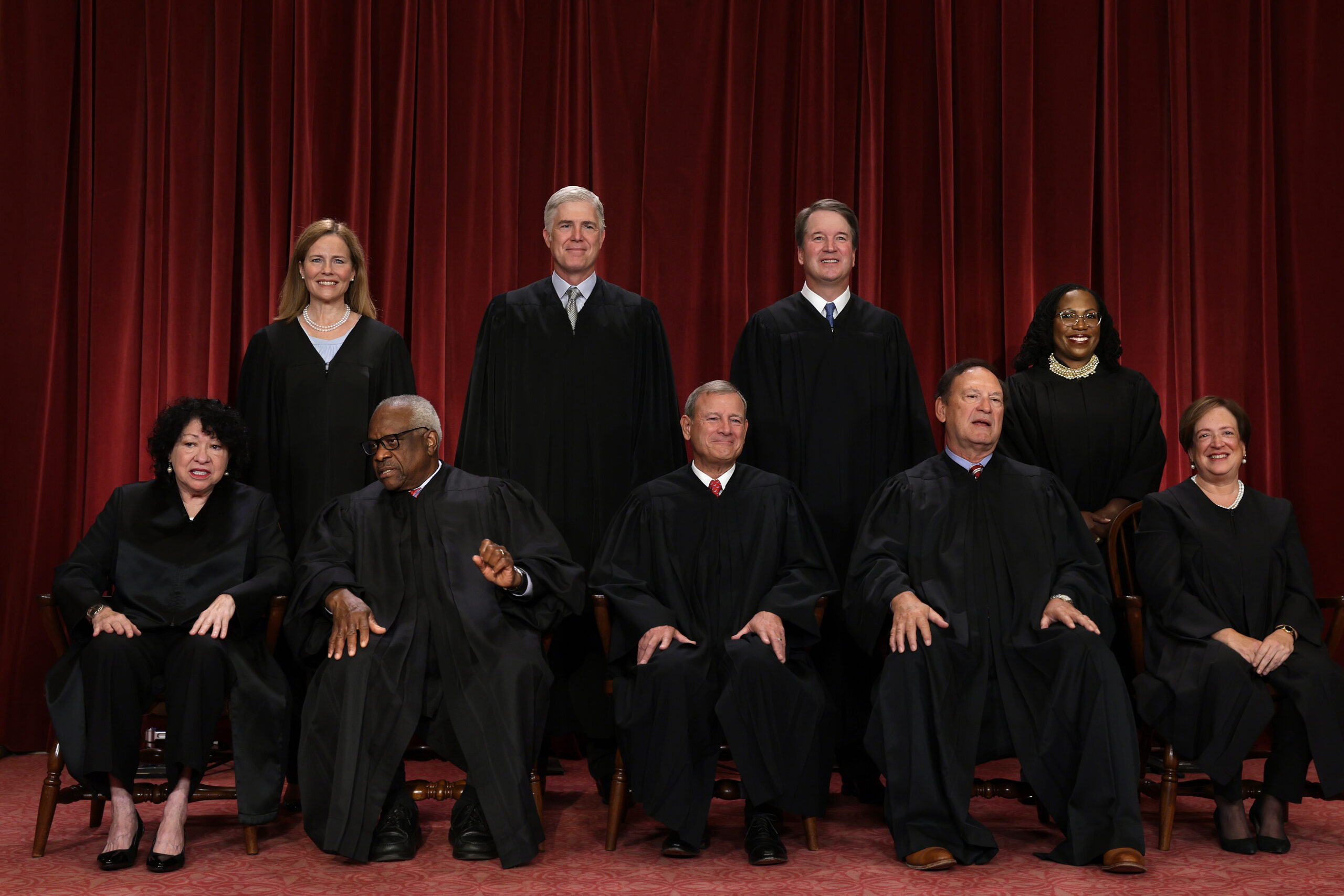
One thing must be true, though: Whatever issues Democratic lawmakers choose to focus on—and, as the 2028 ideas primary gets underway, whatever ambitious ideas Democratic presidential hopefuls choose to support—the party must also have a plan for taking on the Supreme Court, which remains an existential threat to anything Democrats might hope to accomplish. Even if the party is fortunate enough to win a trifecta—the House, the Senate, and the White House—in 2028, things like a Green New Deal and Medicare for All and a new Voting Rights Act do not stand a chance before this six-justice conservative supermajority. Regrettably, what I wrote in 2020 is just as true today: If Congress passes any one of these proposals into law, the only real question is which justice ends up writing the opinion that kills it.
I would rather they talk about holding the sitting judges accountable for ethics violations and adding term limits. Expansion seems like a good way to end up where we are now, but with more seats to worry about in 10 or 15 years.
18 year term limits is ideal. It’s the shortest term that doesn’t allow a single 2-term President to swap out the majority of the Court.