Foreign heads of states should not be allowed to vote.
Why not? If they are citiziens they have the same rights as everyone else.
They have a glaring conflict of interests, because their primary duty is to the states they head, not to the United States.
Wouldn’t that be true for many people who vote, and that’s why voting is done en masse, to track the interests of the whole populace? Many people have ‘duties’ to things which are not their country, would you also say that someone who is dedicated to their job shouldn’t vote because their ‘primary duty’ is not to the United States, but to a corporation?
It’s not like he’s in a position of power in the political system, it’s just one vote.
Most people aren’t the head of a foreign country.
Imo it has nothing to do with head of state, no one living abroad permanently should vote in their home country. I get the reason, they’re citizens and one of the fundamental right that comes with that is the right to vote, but it makes no sense. People should vote where they live and where their vote directly affects their them.
They’re still obligated to pay US taxes if they’re US citizens. Other countries with different tax policies I can perhaps get behind that somewhat, though.
If the US didn’t make me pay taxes from abroad every year then I’d be fine not voting.
No taxation without representation
It’s not only taxes.
My kid is trans, our home country’s trans acceptance policies and free speech policies impact our passport renewal process.
I live in another country, my home country’s foreign policy decisions directly impact my ability to live and work in my residence country and impacts how and which countries I can travel through.
Decisions made in my home country can impact my life on the other side of the world, education, free speech, and anti corruption policies indirectly impact me by influencing voting behaviour in my home country.
Actually yeah, this raises a good question. I’m gonna go look stuff up instead of jumping to answers though.
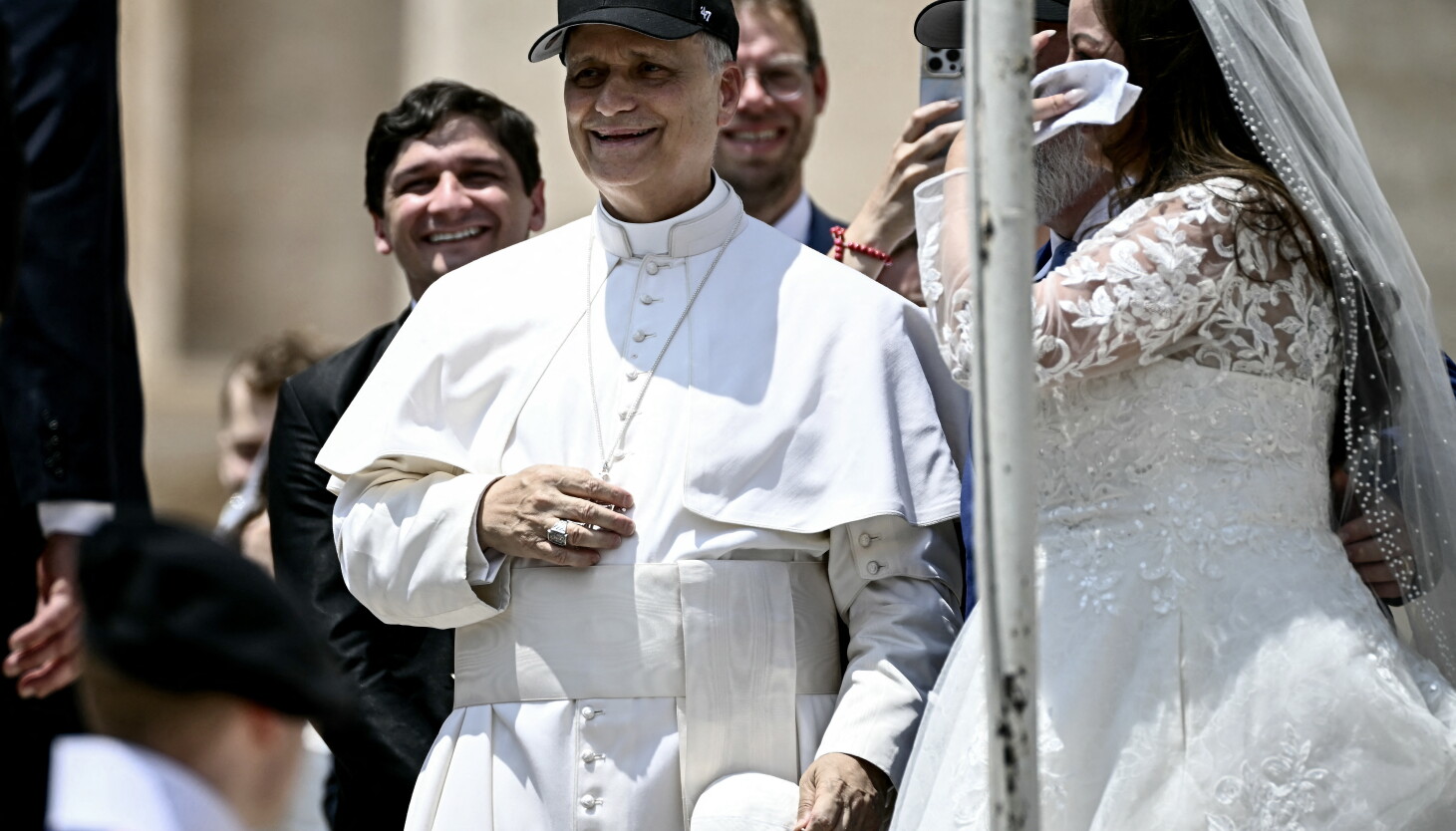
At least for now, Illinois has no problem with him voting, so I’m gonna find out why.
From what I understand, a pope does not have to renounce their citizenship, though some choose to.
Furthermore, the US Department of State can review American citizens acting as heads of state for other nations, and may revoke voting rights. The Department of State has decided not to, not whatever reason.
Thus, Pope Leo can vote.
This isn’t specifically about the Pope, or dual or triple citizenship, but I have long ordered how it is ethical for a dual citizen to actually vote in more than one place.
I mean, I am personally a dual citizen and pay taxes in both countries, but I really don’t feel right voting in elections effecting the place that I do not live in.
The one person, one vote thing - as idealistic as it is - sort of matters to me… either that or I’m justifying my laziness.
If you pay taxes in both places, why wouldn’t it be right to be able to vote?
Well then we enter into “what about non citizens that pay taxes” argument.
That seems like a conflict of interest
It depends on your view i guess.
If i think “state X and state Y are differents therefore they have different interests”. I get you
If i think “this person grew there, he had friends, family, lived here. And he still does and he may want to keep the place that is the little nice peaceful place in this troubled world. So he is a citizen, he may vote” i go to the opposite view sorta.
Plus, you can always complexify such a debate. Do imaginary lines make you a stranger? Recent history showed us that the state could have different interests than the betterment of the peoples, even when telling otherwise. Plus you can always argue that such a debate does not matter. The “who can vote” argument is a way to choose a tyrant that will favor us, as no one should have the right on another one. Therefore other options like the mandate imperative and revocable, direct democracy, anarchy( no unjust hierarchy) could be better to allow anyone to live a life as freely, happily and respectfully as possible.