Exclusive details: ‘It has been a struggle for [our client] to even talk about it enough for us to be able to file this lawsuit on her behalf,’ attorney Quinton Seay told The Independent
The difference is that the jaws of life only come into play if the door is mechanically blocked, because the car is so bent that the door is binding or because it rolled.
The Tesla door design stops working if battery power is lost.
Then you have to ask “ok, but what does the car get from that change”. The answer is absolutely nothing. Some will claim improved aerodynamics, but the Model 3 exterior handle is fundamentally mechanical and is flush, but still interacts with an electrically actuated door latch. The electronics could have been replaced with a mechanical system with the same aerodynamic profile.
But fine, they have a mechanical backup. But it’s not the same place as you would operate normally. This means during an emergency, whomever is trying to operate the door needs to know that not only does the outside handle not work (common enough with locks) but the normal/obvious interior door release control also won’t work and you need to know about the hidden backup mechanical release. Other cars have done the electronic door with backup mechanical and the backup operation is simply “pull the handle a little harder” or somewhat worse but still “pull twice”, which is intuitive, but Tesla made the backup mechanical different than normal opening. Normal opening is a button, and you don’t really learn intuitively to use the mechanical latch that is in the front. To be generous, at least the front handle is vaguely guessable. The rear they hide the mechanical release on a cable under a plastic cover under the rubber mat in the door storage.
The point is this can and has contributed to people trapped in cars in panic situations, and there’s zero upside to it.
Note that Tesla isn’t quite alone, I saw a Corvette similarly obsessed with ‘button to open door’, but it’s a stupid thing to do regardless of manufacturer.


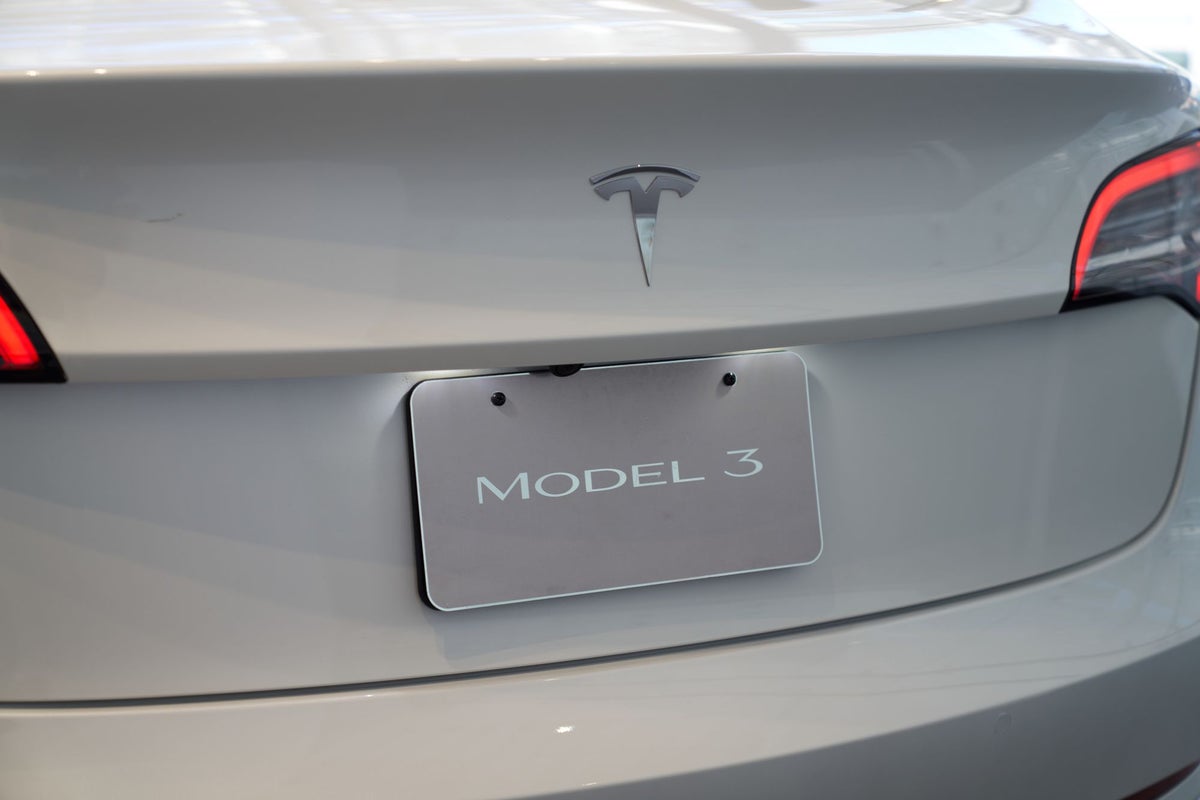
The difference is that the jaws of life only come into play if the door is mechanically blocked, because the car is so bent that the door is binding or because it rolled.
The Tesla door design stops working if battery power is lost.
Then you have to ask “ok, but what does the car get from that change”. The answer is absolutely nothing. Some will claim improved aerodynamics, but the Model 3 exterior handle is fundamentally mechanical and is flush, but still interacts with an electrically actuated door latch. The electronics could have been replaced with a mechanical system with the same aerodynamic profile.
But fine, they have a mechanical backup. But it’s not the same place as you would operate normally. This means during an emergency, whomever is trying to operate the door needs to know that not only does the outside handle not work (common enough with locks) but the normal/obvious interior door release control also won’t work and you need to know about the hidden backup mechanical release. Other cars have done the electronic door with backup mechanical and the backup operation is simply “pull the handle a little harder” or somewhat worse but still “pull twice”, which is intuitive, but Tesla made the backup mechanical different than normal opening. Normal opening is a button, and you don’t really learn intuitively to use the mechanical latch that is in the front. To be generous, at least the front handle is vaguely guessable. The rear they hide the mechanical release on a cable under a plastic cover under the rubber mat in the door storage.
The point is this can and has contributed to people trapped in cars in panic situations, and there’s zero upside to it.
Note that Tesla isn’t quite alone, I saw a Corvette similarly obsessed with ‘button to open door’, but it’s a stupid thing to do regardless of manufacturer.