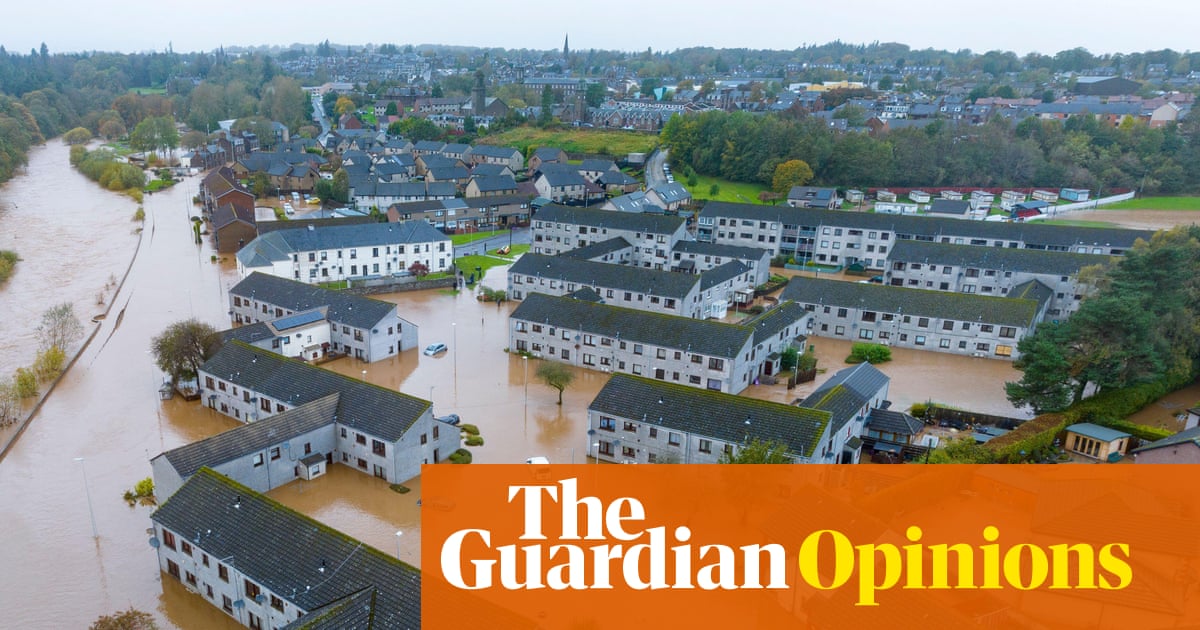
Insurers are taking on more risk than they should. If – or when – a major disaster hits, the catastrophe will have far-reaching consequences, says an anonymous modeller and whistleblower
Talk to a broker. Many companies consider dual policies a case of splitting the risk between them, not doubling the payouts even though both premiums are being paid.
It’s how medical insurance works in Canada if you have coverage from two working parents. Not sure about other forms wich is why I said check with a broker.
Thinking about this again, if someone has the money to pay two policies, they can probably self-insure depending on the specifics.
You usually can’t claim on both policies at the same time. I think for car insurance there’s nothing against having multiple policies on the same car, but if you claim on all of them for the same incident, it’s classed as fraud
I’m thinking, that if the companies are miss-evaluating the risk and underpricing, they may not be able to payout fully, or possibly at all in the event of a climate disaster. And since they’re underpricing the risk already, then the cost of two policies may be more in line with the actual risk.
He’s talking about reinsurance. Front-line insurance companies that you typically deal with directly are (sometimes? often?) “reinsured” by other insurance companies backing their risks. It’s turtles all the way down.

Now I’m wondering if it makes any sense to double up on insurance.
Like finding a second company and getting a policy from them also.
Depending on what it’s for, how much it’s for, and if allowed by laws, perhaps consider self-insurance.
Talk to a broker. Many companies consider dual policies a case of splitting the risk between them, not doubling the payouts even though both premiums are being paid.
That seems odd, since insurance is fundamentally just a bet. There’s no reason one can’t make two bets on the same thing.
It’s how medical insurance works in Canada if you have coverage from two working parents. Not sure about other forms wich is why I said check with a broker.
Thinking about this again, if someone has the money to pay two policies, they can probably self-insure depending on the specifics.
Medical insurance isn’t actually insurance in the traditional sense. It has more in common with a subscription service.
But I’m more specifically thinking of home flood and fire insurance, as that’s the kind the article is about.
You usually can’t claim on both policies at the same time. I think for car insurance there’s nothing against having multiple policies on the same car, but if you claim on all of them for the same incident, it’s classed as fraud
I’m thinking, that if the companies are miss-evaluating the risk and underpricing, they may not be able to payout fully, or possibly at all in the event of a climate disaster. And since they’re underpricing the risk already, then the cost of two policies may be more in line with the actual risk.
Car insurance is a bit different.
Ultimately it’s all Lloyds of London. They insure pretty much every insurance company.
Loyd’s runs an insurance brokerage or market, they don’t actually underwrite the policies themselves.
He’s talking about reinsurance. Front-line insurance companies that you typically deal with directly are (sometimes? often?) “reinsured” by other insurance companies backing their risks. It’s turtles all the way down.
They also insure the insurance companies themselves. Insurance companies have to get payout insurance, for if they have to do a big payout.