Despite saving hundreds of dollars and even making new friends, none of the people who agreed to ditch their car for this Brisbane experiment wanted to go car-free permanently. This is why.
That was sorta the intended result here, to emphasize that to move away from cars without heavily sacrificing their QOL, most people need better public transportation and non-car options than their city is currently providing them. So the city needs to make changes to reduce dependency.
sure, but we deliberately chose a place we didn’t need a car, across the road from Harbour town on the Good Coast, never had an issue with traffic. A friend chose to live in bumfuck on the other side of the Freeway and complained endlessly about traffic.
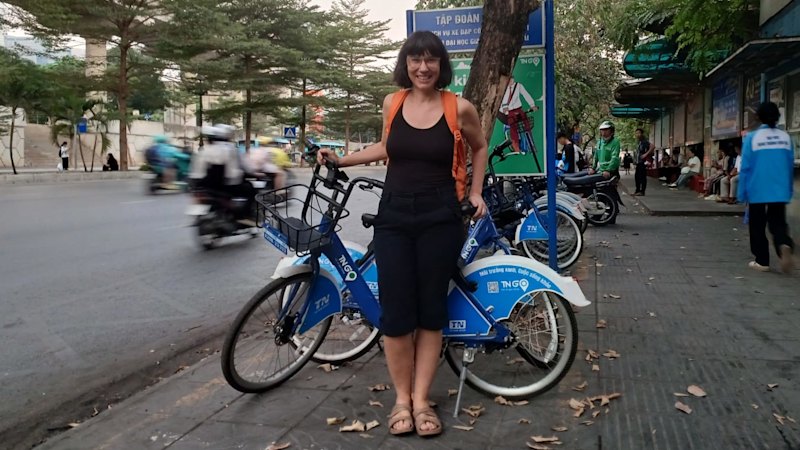
Unlike most existing transport research, which has employed surveys or observations, this study applied an intervention—i.e., a deliberate action or treatment introduced by the researchers to examine its effects on participants. An intervention involves actively changing a variable (such as car use) to assess its impact. In this case, we asked ten participants in each city to live car-free for twenty days. The purpose of the intervention was twofold:
Study the process of change itself. We examined the reasons why participants decided to partake in the study, what challenges they faced, how they coped with those challenges, and what factors contributed to successful change.
Evaluate the effectiveness of the financial incentives that we provided. Were they sufficient to induce permanent change?


This is a bat shit premise. Why not focus on reducing dependency. Not just surprise! you can’t live your current existence without a car!
That was sorta the intended result here, to emphasize that to move away from cars without heavily sacrificing their QOL, most people need better public transportation and non-car options than their city is currently providing them. So the city needs to make changes to reduce dependency.
sure, but we deliberately chose a place we didn’t need a car, across the road from Harbour town on the Good Coast, never had an issue with traffic. A friend chose to live in bumfuck on the other side of the Freeway and complained endlessly about traffic.
…okay? that is irrelevant to the conversation at hand
Going car-free: an interventional study in Australia and Saudi Arabia